London neighbourhood guide
Canary Wharf
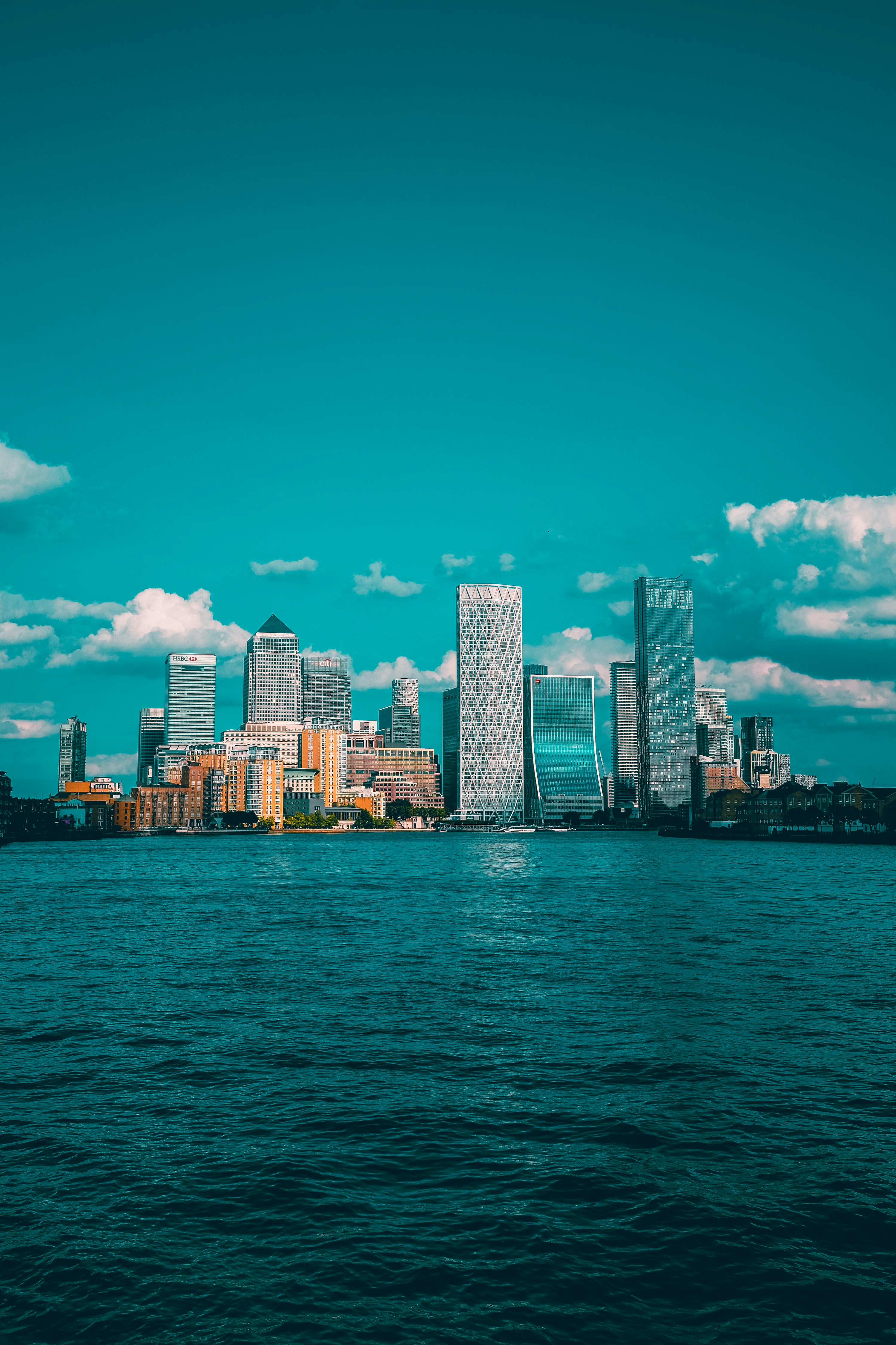
Canary Wharf is modern, easy to get around and full of waterfront walks. It’s a good fit if you like clean-lined streets and reliable transport, but less so if you want old London around every corner.
Best for
- Value modern architecture, organisation and spacious public realm.
- Want excellent transport without needing classic sights outside the hotel.
- Enjoy waterfront walking and calmer late evenings.
- Prefer predictability, comfort and strong infrastructure to hidden urban discovery.
What you might find frustrating
- Want historic streets and organically evolved neighbourhood character immediately outside the hotel.
- Assume every hotel marketed as Canary Wharf sits inside the core estate experience.
- Choose it mainly for a low weekend room rate despite wanting lively independent street life.
Orientation
Where it sits in your London day
Canary Wharf is a master-planned, waterfront district east of central London. Its appeal is order: modern hotels, strong transport, spacious public realm and layered indoor infrastructure, with a clear trade-off in historic atmosphere and organic street life.
- Transport
- Exceptional Elizabeth line, Jubilee line and DLR connectivity, but most classic central sights still require a journey.
- Walking
- Comfortable and spacious, with dockside routes and plazas; large-scale blocks can make short-looking walks feel longer.
- Sleep
- Generally calm after the working day, though exact exposure to roads, transport infrastructure or construction still matters.
Who it suits best
Canary Wharf works best when you actively want a modern, ordered version of London rather than treating it as a cheaper substitute for somewhere more central. Its strongest fit is with visitors who appreciate contemporary architecture, spacious public realm, waterfront walking, efficient transport and the reassurance of a neighbourhood that’s easy to read. The defining trade-off is order in exchange for organic character: you gain clarity, comfort and infrastructure, but give up much of the historical layering, irregularity and independent street life that shape older London neighbourhoods.
Why you might prefer somewhere else
Choose somewhere else if the pleasure of London, for you, comes from crooked streets, historic layers, independent businesses and the feeling that the neighbourhood evolved without a master plan. Canary Wharf isn’t trying to provide that experience. Its public spaces are unusually coherent, its transport is exceptionally integrated and its architecture is overwhelmingly contemporary. Those strengths can feel calm and impressive to one visitor and controlled or slightly artificial to another.
The other important question is whether the hotel is actually inside the Canary Wharf experience you think you’re booking. The name is used more widely than the core estate itself. A hotel beyond the operational heart of the district can trade plazas, shops and immediate transport for a quieter residential environment and greater dependence on the DLR.
Day-to-day rhythm
On weekday mornings, commuters give Canary Wharf a strong sense of purpose. Offices, transport concourses and cafés fill quickly, and the district operates at its most intensive. Through the afternoon, business activity continues while shopping, restaurants and public spaces become more mixed-use. Evenings are calmer rather than empty: restaurants and bars remain active, but late-night street life is much more subdued than in Soho or Shoreditch.
Weekends change the balance. Corporate demand falls, leisure visitors become more visible and the whole district often feels more spacious and relaxed. Hotel prices can also improve considerably. That can make a weekend stay genuinely attractive, provided the quieter atmosphere is part of what you want rather than something you discover after booking.
Getting around
Canary Wharf is one of London’s strongest transport bases for visitors comfortable travelling rather than walking to the classic sights. The Elizabeth line and Jubilee line give fast access towards central London, while the DLR opens up the Docklands and Greenwich side of the city. The practical trade-off is simple: many major attractions aren’t outside your hotel, but reaching them is usually straightforward.
Movement here also works differently from most London neighbourhoods because the district is built in layers. Underground malls, station concourses and covered connections can carry you between transport, shops and offices without returning immediately to street level. In poor weather, that infrastructure becomes a real advantage rather than a background feature.
Walking and everyday convenience
At street level, Canary Wharf is unusually easy to navigate. Wide pavements, landscaped plazas, dock edges and clear sightlines make walking comfortable, even if the scale can make short-looking routes feel longer than expected. The water matters more than the skyline photographs suggest: it creates openness, orientation and visual relief that softens what could otherwise feel like an austere collection of towers.
The district isn’t one uniform environment. Canada Square is the corporate and transport-heavy core; Wood Wharf introduces brick, boardwalks, independent food and more residential character; the dockside promenades are slower and more leisure-oriented; and the western fringe is shaped more heavily by transport infrastructure and offices. Those differences matter when choosing a hotel because the exact micro-location changes both atmosphere and everyday convenience.
Noise and sleep
Canary Wharf is generally a strong option for visitors who want their accommodation area to feel calmer at the end of the day. The main risk is less nightlife noise than environmental context: a room near transport infrastructure, a busy road or construction can still behave very differently from one overlooking a dock or quieter internal street.
The broader district tends to settle noticeably after the working day, and late evenings are usually spacious rather than intense. That makes it a credible retreat after long sightseeing days, especially for visitors who don’t need their hotel neighbourhood to provide the evening’s entertainment.
Food, pubs and evenings
The food and evening offer is broader than the old “office district” stereotype suggests, particularly around the main estate and Wood Wharf. Restaurants, bars and waterside venues provide enough choice for a relaxed evening without requiring a trip back into central London every night.
What Canary Wharf doesn’t offer is the same density of independent discovery as Shoreditch, Soho or London Bridge & Bermondsey. The evening experience is polished, convenient and increasingly varied, but it remains more organised than improvised. If you want to step outside and simply see where a maze of independent streets takes you, another neighbourhood will suit that instinct better.
Tourist intensity
Canary Wharf isn’t a purpose-built tourist district. Its daytime population is driven heavily by work, while weekends bring a greater leisure share. That means it can feel busy without feeling tourist-saturated, and spacious even when footfall is high.
There’s also a useful distinction between public access and public ownership. Much of the exceptional cleanliness, security and maintenance comes from private estate management. Some visitors find that reassuring and unusually comfortable; others feel the control reduces the messy spontaneity they associate with London. Neither reaction is wrong — it’s part of the stay decision.
Longer-stay suitability
Longer stays make Canary Wharf’s strengths more valuable if you like reliable infrastructure. Supermarkets, shopping, transport, indoor routes, waterside walking and a calmer late-evening environment all make daily life straightforward. Wood Wharf in particular adds more residential texture than the older stereotype of Canary Wharf suggests.
The same duration also makes the trade-off clearer. If, after several days, you want history, intimate streets, independent culture and continual accidental discovery directly outside the hotel, the district’s order may begin to feel limiting rather than restful. Canary Wharf works best when you genuinely value the environment itself, not merely the room price.
Better alternatives
The City is the better alternative when modern towers should sit inside centuries of architectural and commercial history. Greenwich is better when water, open space and strong place identity should come with heritage rather than master planning. King’s Cross & St Pancras is better when regeneration and exceptional connectivity should come with more historic layering and urban friction. South Bank & Bankside is better when riverside walking should connect directly to major cultural sights and a more organically mixed streetscape.