London neighbourhood guide
The City
The City is fascinating for its old streets and modern skyline, especially during the working week. At weekends, some streets can feel surprisingly quiet, so check what’s open near your hotel.

Best for
- Want architecture and urban history to shape everyday walks.
- Value weekday efficiency and strong eastern-central London access.
- Enjoy quieter evenings after active days.
- Are a repeat visitor, business traveller or curious first-timer comfortable with a specialised base.
What you might find frustrating
- Want cafés, shops and neighbourhood activity to stay lively every evening.
- Assume a discounted weekend corporate hotel is automatically a bargain.
- Expect excellent transport connectivity to mean every interchange is effortless.
Orientation
Where it sits in your London day
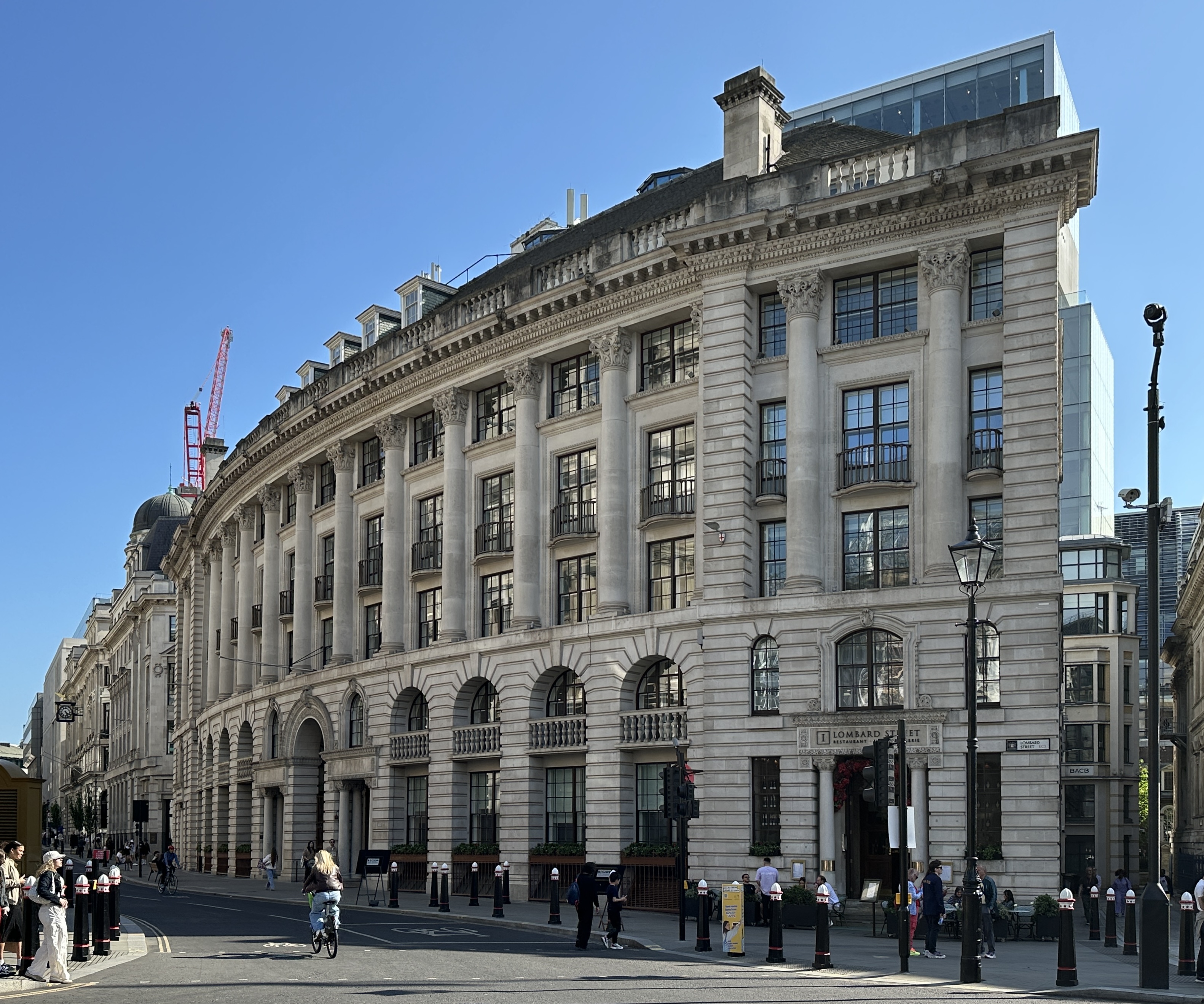
The City runs on the working week. Bank is the operational centre, St Paul’s anchors the historic side, the Barbican fringe adds a distinct architectural edge, and the eastern towers add a contemporary skyline and rooftop layer. Weekday and weekend stays can feel materially different at the same hotel.
- Transport
- Exceptional network reach, but major interchanges such as Bank can involve substantial internal walking.
- Walking
- Highly rewarding on foot, with historic lanes, churches and modern towers appearing within a compact but irregular street network.
- Sleep
- Often much quieter after the working day ends; the bigger trade-off is reduced evening atmosphere rather than constant late-night noise.
Who it suits best
The City works best when the streets themselves are part of what you came to London to explore. Roman remains, medieval lanes, Wren churches and modern towers sit within a working financial district, so a short walk can move through several different versions of the city at once. It suits visitors who enjoy architecture, urban history and close observation, as well as business travellers and repeat visitors who value being in eastern central London without needing their hotel area to provide constant entertainment.
Its strongest case isn’t simply that it’s central. It’s that history, work and modern city life are layered together around you in a way that feels unusually specific to London.
Why you might prefer somewhere else
The City is a weaker base if you want neighbourhood cafés, independent shops, busy restaurant streets or nightlife to carry on around you every evening. Its rhythm follows workers more than visitors, and the drop in activity after office hours can be striking.
That matters even more at weekends. Corporate hotels can become much better value just as parts of the surrounding area become quieter and less convenient. A cheaper room can still be a good decision, but only if you’re comfortable with the neighbourhood partially switching off rather than treating the discount as an uncomplicated bargain.
Day-to-day rhythm
The working day explains The City better than any single landmark. Mornings bring a surge of commuters, afternoons are shaped by offices, lunches and business activity, and early evenings pick up again around pubs, restaurants and after-work gatherings. Later on, many streets become much calmer than their daytime appearance suggests.
Weekends are a different version of the neighbourhood. Visitor activity becomes more visible around historic sights and selected leisure destinations, while worker-generated energy largely disappears. Sunday is the sharpest contrast: streets can feel unusually spacious, and ordinary cafés, bakeries and other everyday options may be thinner on the ground than a central-London location leads you to expect.
Getting around
The City has exceptional transport reach, with multiple Underground lines, National Rail connections and easy access towards London Bridge, the South Bank, Liverpool Street and the West End. It’s also unusually rewarding to cross on foot, so many journeys within the area never need public transport at all.
The caveat is that excellent connectivity doesn’t always mean effortless movement. Stations are spread across the district, and large interchanges can involve substantial internal walking. Bank is the clearest example: the network is excellent, but changing lines can mean long tunnels, escalators and pedestrian passages before you emerge where you expected.
Walking and everyday convenience
Walking is one of The City’s great strengths because history rarely arrives in one continuous heritage streetscape. Modern towers can give way almost immediately to medieval alleys, old churches, historic pubs or fragments of Roman London. The reward comes from noticing those changes rather than moving only between headline attractions.
The irregular street pattern can also be confusing. Short routes on a map may involve unexpectedly indirect turns, and the Barbican fringe adds a particularly distinctive mix of elevated walkways, large structures and less intuitive pedestrian routes. The area suits visitors who enjoy figuring a city out as they walk through it.
Noise and sleep
The City is busy when people are working, but it’s not an all-night entertainment district. Many streets become markedly quieter after the after-work period, which can make the area more sleep-friendly than its daytime intensity suggests.
The trade-off is atmosphere rather than simply noise. A calm late evening can feel pleasantly spacious if you want recovery after a full day, or strangely empty if you expected cafés, shops and neighbourhood life to continue around the hotel. The question is less “Will it be loud?” than “Will I enjoy how much the area changes once work finishes?”
Food, pubs and evenings
Weekday food and drink are closely tied to the working population. Lunch can be very active, and the early evening brings after-work pubs, restaurants and socialising before much of the district settles down. That rhythm makes The City more sociable than the stereotype of an empty financial district suggests, but less dependable for spontaneous late-night wandering than Soho, Shoreditch or London Bridge & Bermondsey.
The more distinctive evening option is often above street level. Viewing galleries, rooftop bars, restaurants and terraces use the skyline itself as part of the experience, so some of The City’s leisure value continues vertically even when the pavements below become quieter.
Tourist intensity
The City can feel extremely busy without feeling primarily tourist-oriented. On weekdays, much of the crowd comes from commuters and office workers rather than sightseers. At weekends, the balance shifts: business traffic falls away and visitors become more noticeable around St Paul’s, historic streets and selected viewpoints.
That distinction matters because crowd levels alone don’t tell you what the neighbourhood feels like. A weekday lunchtime around Bank and a Sunday morning near the same streets can seem like different places despite sharing the same postcode.
Longer-stay suitability
A longer stay magnifies The City’s temporal rhythm. If you enjoy quiet evenings, architectural wandering and using the area as a well-connected hub for the rest of London, the contrast can become a strength. If you want your immediate surroundings to provide everyday café culture, shopping and evening choice throughout the week, the same contrast can start to feel limiting.
Movement also tends to be outward. Visitors naturally head towards the South Bank, Clerkenwell, London Bridge, Westminster and other parts of central London, which means The City often works better as a historically rich launch point than as somewhere you expect to spend every hour of the trip.
Better alternatives
King’s Cross & St Pancras is the better alternative when national and international connections, regeneration and movement matter more than historic-commercial character. London Bridge & Bermondsey works better when food, neighbourhood identity and layered urban discovery should continue into the evening. Bloomsbury is the stronger choice when history and intellectual culture should come with quieter residential streets and more everyday neighbourhood life. Canary Wharf is the better fit when modern architecture, order and contemporary urban living matter more than historic depth.