London neighbourhood guide
South Bank & Bankside
If you love walking beside the Thames, South Bank and Bankside put some of London’s biggest cultural attractions along the way. Check how close your hotel really is to the river.
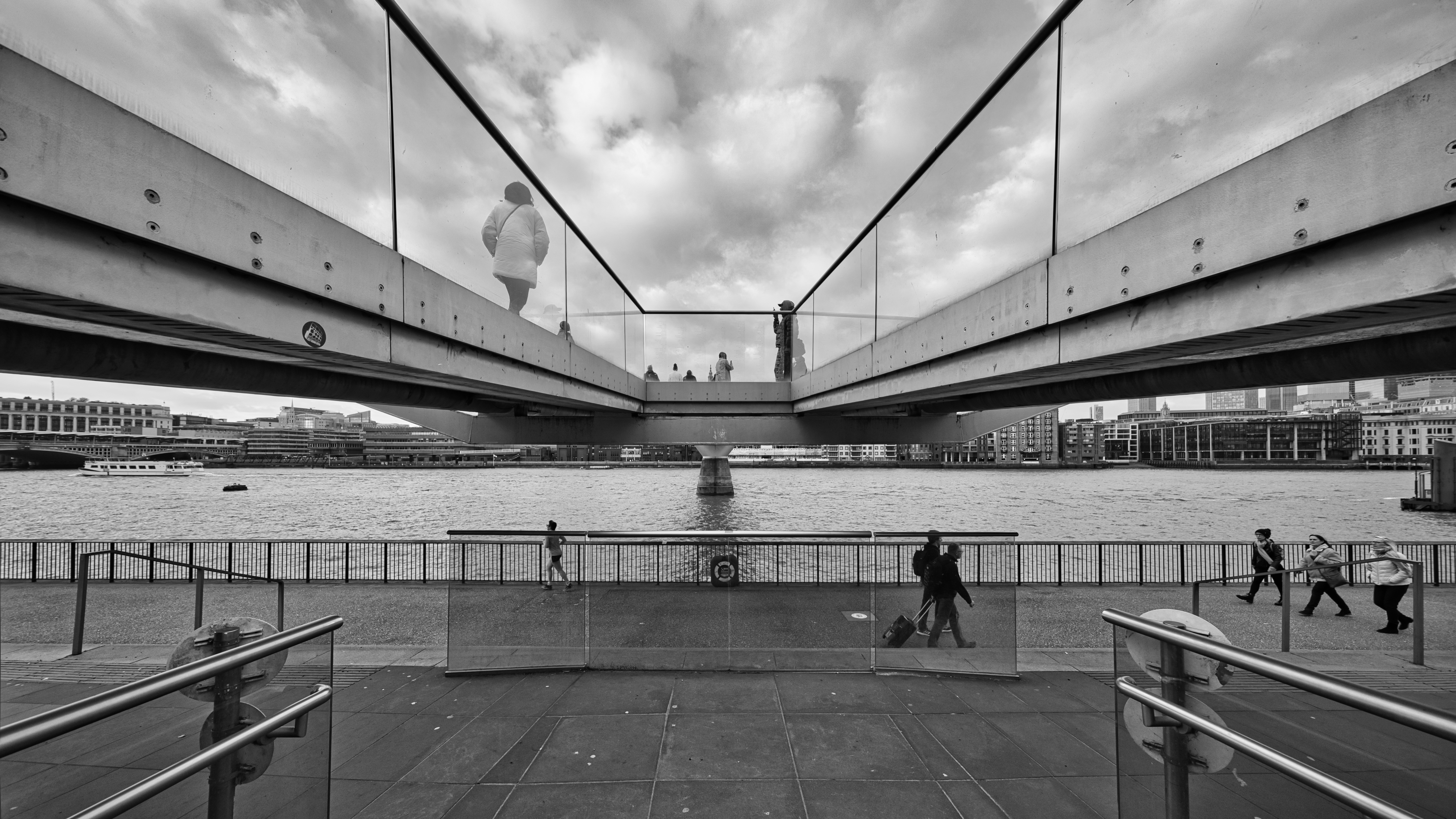

Best for
- Visitors who want long riverside walks to be part of the holiday.
- First-time visitors who enjoy linking major sights on foot.
- Travellers drawn to galleries, theatres, architecture and river views.
- People who prefer open public space to intimate residential streets.
What you might find frustrating
- Wanting a stronger sense of everyday neighbourhood life around the hotel.
- Finding the amount of walking tiring over several days.
- Booking too far inland and losing much of the riverside experience.
- Wanting hidden streets, late-night nightlife or a more intimate base.
Orientation
Where it sits in your London day
South Bank & Bankside is a riverside cultural corridor where the Thames, its bridges and a continuous chain of attractions make walking through London part of the experience rather than simply a way to get around.
- Transport
- Many central sights connect naturally on foot across the river and its bridges, although inland routes around Waterloo can be less intuitive than the riverside itself.
- Walking
- Walking is the main attraction as well as the main way of moving around; expect substantial daily distances if you use the neighbourhood as intended.
- Sleep
- The riverside is busy by day but many stretches calm later in the evening; exact street position matters around major roads, venue exits and Waterloo infrastructure.
Who it suits best
South Bank & Bankside is strongest for visitors who want the river, the walk and the city views to be part of the stay itself. This is one of the clearest places in London to build a day by moving on foot: the Thames keeps pulling you forward past bridges, galleries, theatres, landmarks and public spaces rather than asking you to settle into one small neighbourhood centre.
It works especially well for first-time visitors, couples, families and anyone who enjoys long urban walks more than hopping between Tube stations. If you like the idea of crossing a bridge because the view is worth it, walking another fifteen minutes because something interesting keeps appearing ahead and letting one attraction lead naturally into the next, the area makes London feel unusually coherent.
The appeal isn’t simply that there’s a lot to see. It’s that moving through London becomes part of the sightseeing.
Why you might prefer somewhere else
The main reason to stay elsewhere is that South Bank & Bankside can feel more like a great route through London than a conventional neighbourhood to live inside. Much of its energy comes from visitors, cultural venues, offices and people moving along the river rather than from quiet residential streets, local routines or hidden corners.
That matters if you want your accommodation area to provide a strong sense of everyday neighbourhood life after the sightseeing stops. The riverside can be spectacular, but step inland and the atmosphere may change quickly to busy roads, office buildings, transport infrastructure or much quieter ordinary streets.
It’s also a poor fit if you dislike covering ground. The area rewards walking heavily, and the very thing that makes it special can become tiring if you want London to come to you rather than spending a good part of the day on your feet.
Day-to-day rhythm
Mornings are one of the most attractive times to be here. Joggers, commuters and early visitors share a riverside that can still feel spacious, and walking beside the Thames before the main crowds arrive gives the area a very different tone from the middle of the day.
By afternoon, the promenade becomes much busier. Attractions, bridge crossings and cultural venues pull large numbers of people into the same linear space, particularly at weekends. You may cover a surprising distance without noticing because the route keeps providing another view, another landmark or another reason to continue.
Evenings remain active around restaurants, theatres and performance venues, while the river gives the area a sense of occasion after dark. Later on, many stretches become noticeably calmer than the West End, although a major event at the National Theatre, Southbank Centre or another venue can create a concentrated wave of people before and after the performance.
Getting around
South Bank & Bankside often reduces the need for transport because walking links so many useful places naturally. Westminster, Covent Garden, the City and London Bridge all become part of a network of river walks and bridge crossings rather than isolated destinations reached only by Tube.
The bridges are a particular strength. Westminster Bridge, Waterloo Bridge, Blackfriars Bridge and Millennium Bridge don’t merely get you across the Thames; they open up different parts of central London and make switching between north and south feel like part of the day rather than an interruption to it.
The practical weakness is inland navigation, especially around Waterloo. Major roads, underpasses and transport infrastructure can make a route feel less intuitive than the riverside itself, and a hotel that looks close on a map may involve a less pleasant approach than the straight-line distance suggests.
Walking and everyday convenience
Walking is the defining advantage here, but it comes in two very different forms. Along the Thames, the route is clear, scenic and continually rewarding. A museum, bridge, market or theatre can simply become the next point on a longer walk without much planning.
Away from the river, the experience is less consistent. Some inland streets are practical rather than memorable, and the walk back to a hotel can feel very different from the promenade that sold you on the area in the first place. This is one of the London neighbourhoods where the exact route between hotel and river matters almost as much as the neighbourhood name.
Weather matters more here too. Wind and rain can make an exposed riverside walk much less appealing in winter, while strong sun, hard surfaces and limited shade can make a long summer walk more tiring than expected. The area is at its best when you genuinely enjoy being outdoors for a large part of the day.
Noise and sleep
South Bank & Bankside is busy, but not uniformly noisy. The riverside carries heavy pedestrian activity around attractions, bridges and cultural venues, yet the openness of the Thames usually makes that activity feel different from the enclosed intensity of Soho or Covent Garden.
At night, large sections calm down considerably. The busiest moments are often concentrated around performances, restaurants and event finishes rather than sustained late-night nightlife. A hotel directly on a main pedestrian route may still feel active, but the overall evening pattern is more cultural than party-led.
The bigger risk is micro-location. A room near a major road, Waterloo infrastructure or a heavily used approach can have a very different sleep environment from one facing a quieter side street or the river. Here, “South Bank” on a hotel listing tells you less than the exact street and route outside the front door.
Food, pubs and evenings
Evenings are strongest when they grow naturally out of the cultural day. Dinner before or after a performance, a drink beside the river or a walk back along the Thames suits the area better than a night built around moving from bar to bar.
Bankside generally carries the stronger food identity, helped by Tate Modern, Shakespeare’s Globe and the influence of Borough Market further east. Western South Bank feels more entertainment- and venue-led, while the central promenade keeps a steady mix of restaurants, bars, visitors and people simply walking through.
If nightlife is a major reason for choosing your base, there are better options. If you want the evening to feel scenic, easy to extend after a cultural plan and pleasant to walk through, South Bank & Bankside has a much clearer case.
Tourist intensity
Visitor numbers can be very high, particularly around the London Eye, major cultural venues, bridges and the busiest stretches of promenade. Weekends intensify this considerably, when the river walk can become one of central London’s busiest pedestrian spaces.
That doesn’t mean the entire recommendation zone feels like one continuous tourist attraction. Bankside can feel more cultural and food-led, some stretches between landmarks give you more breathing room, and inland areas may become surprisingly ordinary or quiet once you step away from the river.
The useful question is therefore not whether the area is touristy. It’s whether you enjoy being based inside a major visitor route where the activity, views and constant movement are part of the attraction rather than something you want to escape from.
Longer-stay suitability
South Bank & Bankside can work well for a longer stay if you continue to value the river after the headline attractions are no longer new. The Thames remains a useful walking route, the bridges keep different parts of central London connected and the cultural venues offer enough depth that the area doesn’t depend entirely on first-time sightseeing.
The trade-off becomes clearer over time, though. A conventional residential neighbourhood gives you more local routine, hidden streets and everyday places that reveal themselves slowly. South Bank & Bankside keeps asking you to engage with the city through movement, public space and the river instead.
Here, the walk along the river is often part of what you came for. If that still sounds appealing on day six as well as day one, the area can remain rewarding. If you eventually want somewhere more intimate to come home to, London Bridge & Bermondsey, Greenwich or another more neighbourhood-led base may age better over a longer stay.
Better alternatives
London Bridge & Bermondsey is stronger when you want food, layered streets and urban discovery to matter as much as the river. Covent Garden is the better choice when you want a more compact West End base with theatre, restaurants and immediate central activity around you. Westminster & St James’s works better when ceremonial London, royal landmarks and national symbolism are the main draw. Greenwich is stronger when you want riverside London with a clearer destination identity, more separation from the centre and a stronger sense of place beyond the visitor corridor.