London stay guide
Where to stay in London with family
The best family base is rarely the one closest to a single attraction. It’s the part of London that keeps repeated journeys, meals, breaks and tired returns manageable for the whole trip.
Start with your trip
What does your family need the neighbourhood to make easier?
Family trips are easier when meals, breaks and the journey back to your hotel don’t become a struggle. Here are six neighbourhoods worth considering, depending on how your family likes to travel.
A family trip changes the cost of an ordinary journey
The difference between a convenient and inconvenient London base is often not obvious at 10 a.m. It appears later, when somebody is hungry, tired, carrying a bag, asking to go back to the room or simply has less patience for another interchange than they did at breakfast.
That makes repeated friction unusually important for families. A slightly longer walk can matter more when it happens twice a day. A station change that looks trivial on a map can feel less trivial with a pushchair, luggage or children who have already spent hours walking. And a neighbourhood with dinner, a supermarket or somewhere to sit close to the hotel can become more valuable than one that saves ten minutes on a single attraction.
The aim isn’t to eliminate movement. London is too large for that. It’s to avoid building unnecessary effort into the parts of the day you know will repeat: leaving in the morning, taking a break, finding food, returning after sightseeing and managing arrival or departure days.
That’s why family suitability isn’t a fixed property of a neighbourhood. It depends on the rhythm of your particular trip and on which forms of inconvenience your family notices most.
Make breaks easy enough that you will actually take them
Families often plan sightseeing around destinations and then discover that the unplanned pauses decide how enjoyable the day feels. Being able to stop for food without another journey, return to the room without losing an hour or let the pace drop somewhere pleasant can be more useful than squeezing one more attraction into the itinerary.
This is where neighbourhood character becomes practical rather than decorative. Bloomsbury can combine cultural days with a calmer return. Kensington & Knightsbridge can work when museums and green space are part of the plan as well as the backdrop. South Bank & Bankside can turn movement itself into the day, which may suit a family that would rather walk between stops than keep navigating the transport network.
The opposite can also be true. A highly energetic district may be exciting for adults and older children but tiring if the whole family wants the day to stop once sightseeing is over. The question isn’t whether a neighbourhood is lively or quiet in the abstract. It’s whether its ordinary pace still works when your family has used most of its energy elsewhere.
A useful test is to imagine a completely ordinary family hour: nobody wants another landmark, somebody wants food, somebody else wants to sit down and you may need to be back at the hotel soon. The neighbourhood that handles that hour well is often more useful than the one that looked most exciting when you booked it.
Children’s age changes which inconvenience matters most
A family with a toddler and a family travelling with teenagers can share the same attraction list and still need different bases. Younger children often make short returns, simple routes and predictable breaks more valuable. Older children may tolerate longer walking days or later evenings and may enjoy a neighbourhood with more visible activity around it.
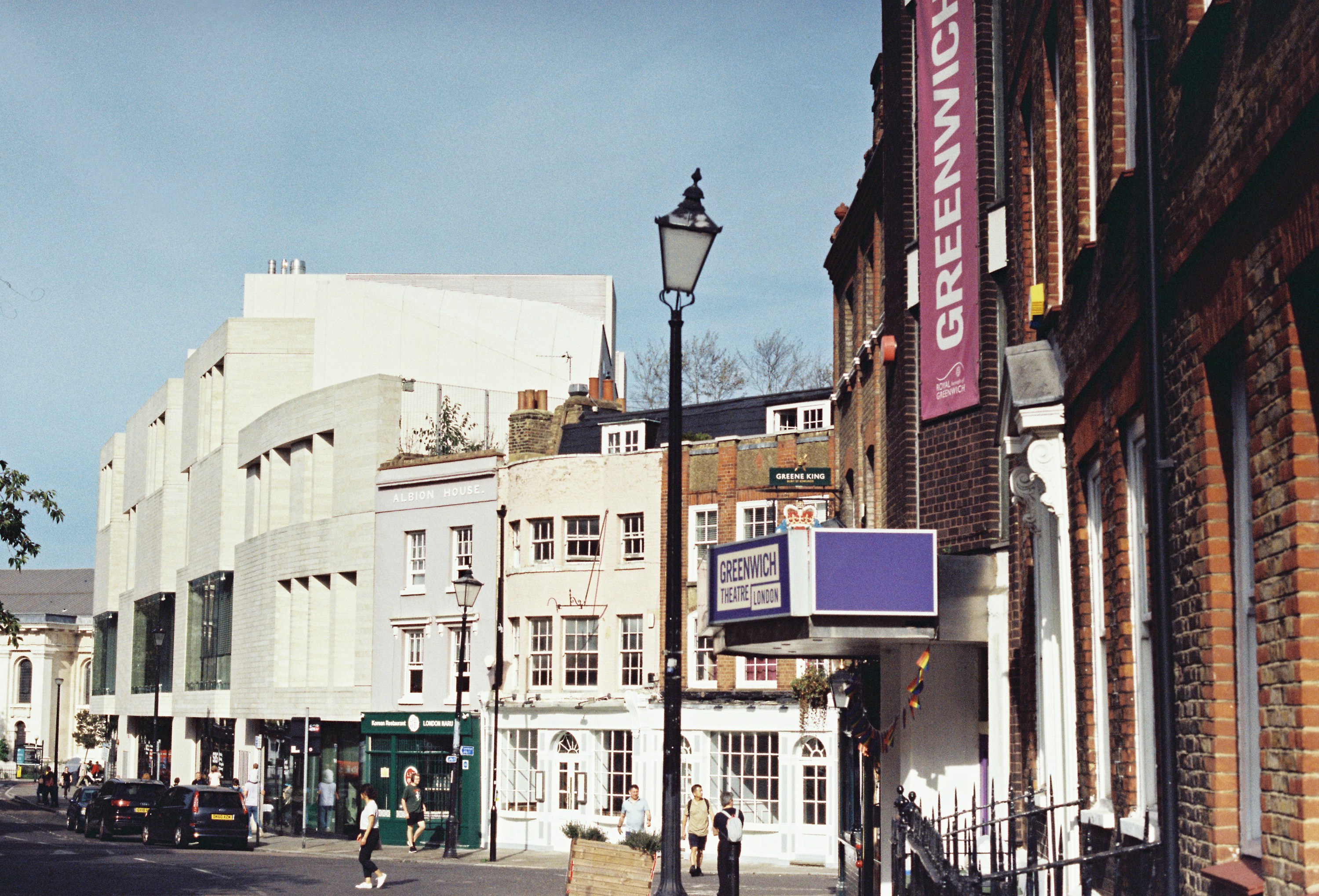
That doesn’t create a reliable list of ‘best areas for toddlers’ or ‘best areas for teenagers’. Age changes the weighting rather than producing an automatic answer. A central, highly walkable base may be worth more when naps or room returns are realistic parts of the day; a destination-style neighbourhood such as Greenwich may become easier to justify when the family is happy spending longer stretches away from the hotel.
Even within one family, the limiting factor may not be the youngest child. An early-rising household, a child who dislikes crowds, a parent who wants quieter evenings or a family that prefers long walking days can all pull the same itinerary in different directions.
The useful question is therefore not simply how old the children are. Ask what their age changes about your daily rhythm: how long you can stay out, how often you may need to reset, how much walking remains enjoyable and how complicated you want the journey home to be.
A longer family stay makes the neighbourhood work harder
On a short break, a very central base can earn its keep by reducing the number of journeys around a packed itinerary. There are fewer ordinary days for the disadvantages to accumulate, and being able to reach several major plans quickly may outweigh a busier atmosphere or a higher accommodation cost.
Across a longer stay, repeated routines matter more. Breakfast, groceries, unplanned dinners, slower mornings, laundry, rest time and the willingness to return to the hotel during the day all become part of the location decision. A neighbourhood that feels merely practical on night one may feel increasingly useful by night six.
That can strengthen the case for balanced areas such as Bloomsbury, Victoria & Pimlico or Paddington & Bayswater. It can also make Greenwich more attractive for a family deliberately seeking more space and a slower rhythm, provided the extra travel into central London fits the itinerary rather than becoming a daily irritation.
Longer stays don’t automatically mean moving away from the centre. They simply give ordinary neighbourhood life more chances to help or hinder you, so the quality of the hours between sightseeing deserves more weight.
Choose the trade-off you are happiest to repeat
Bloomsbury gives up some evening intensity in exchange for culture, calm and central walkability. South Bank & Bankside gives up some residential intimacy in exchange for river-based exploration and easy access to a run of major sights. Kensington & Knightsbridge offers museums, green space and refinement, but it’s a deliberately more premium version of the family stay.
Paddington & Bayswater and Victoria & Pimlico are easier to understand as practical bases. Their value isn’t that the neighbourhood itself becomes the main attraction; it’s that connectivity and a calmer return can make the rest of London easier to use. Greenwich makes almost the opposite bargain: it gives the base a strong destination identity but asks you to accept more movement when the day is centred on central London.
Marylebone & Fitzrovia remains a credible alternative when you want a polished, highly walkable all-round central base with strong everyday amenities. It’s not included above as a default family winner because its real strength is balance rather than one uniquely family-specific advantage.
The best family shortlist is therefore not the one with the fewest weaknesses. It’s the one where the weaknesses are unlikely to become annoying in the same way every day.
Check the hotel-level friction before you book
A sensible neighbourhood can still produce an awkward stay if the actual hotel is poorly placed for how your family moves. Check the real walking route from the station you expect to use, not just the distance shown on a booking map. If step-free movement matters, verify the route you’ll actually take rather than assuming the nearest station entrance solves it.
Look at the immediate few streets as well. How easy is dinner when nobody wants another journey? Is there somewhere practical for breakfast or groceries? Would a return to the room in the middle of the day feel realistic, or would it effectively end the sightseeing day? Those questions often matter more than being a few hundred metres closer to a landmark.
Room configuration is separate from neighbourhood fit but still affects the same daily rhythm. Check what the hotel actually means by a family room, whether everybody has a workable sleeping arrangement and whether the room itself gives you enough flexibility for earlier bedtimes or downtime.
Finally, think about the first and last day. Luggage, airport or rail access and the amount of effort required before check-in or after check-out can make a practical base more valuable than it looks when you only compare sightseeing distances.
Explore the areas
Neighbourhoods mentioned in this guide
Want to balance the family logistics rather than choose from a generic shortlist?
The neighbourhood matcher can weigh how you want to spend your days, your pace, walking preferences, evening atmosphere and the trade-offs you’re comfortable repeating across the stay.
Find my neighbourhood