London stay guide
Soho vs Covent Garden: where should you stay?
Choose Soho for nights out and spontaneous plans; choose Covent Garden for theatres, street life and classic West End sightseeing.
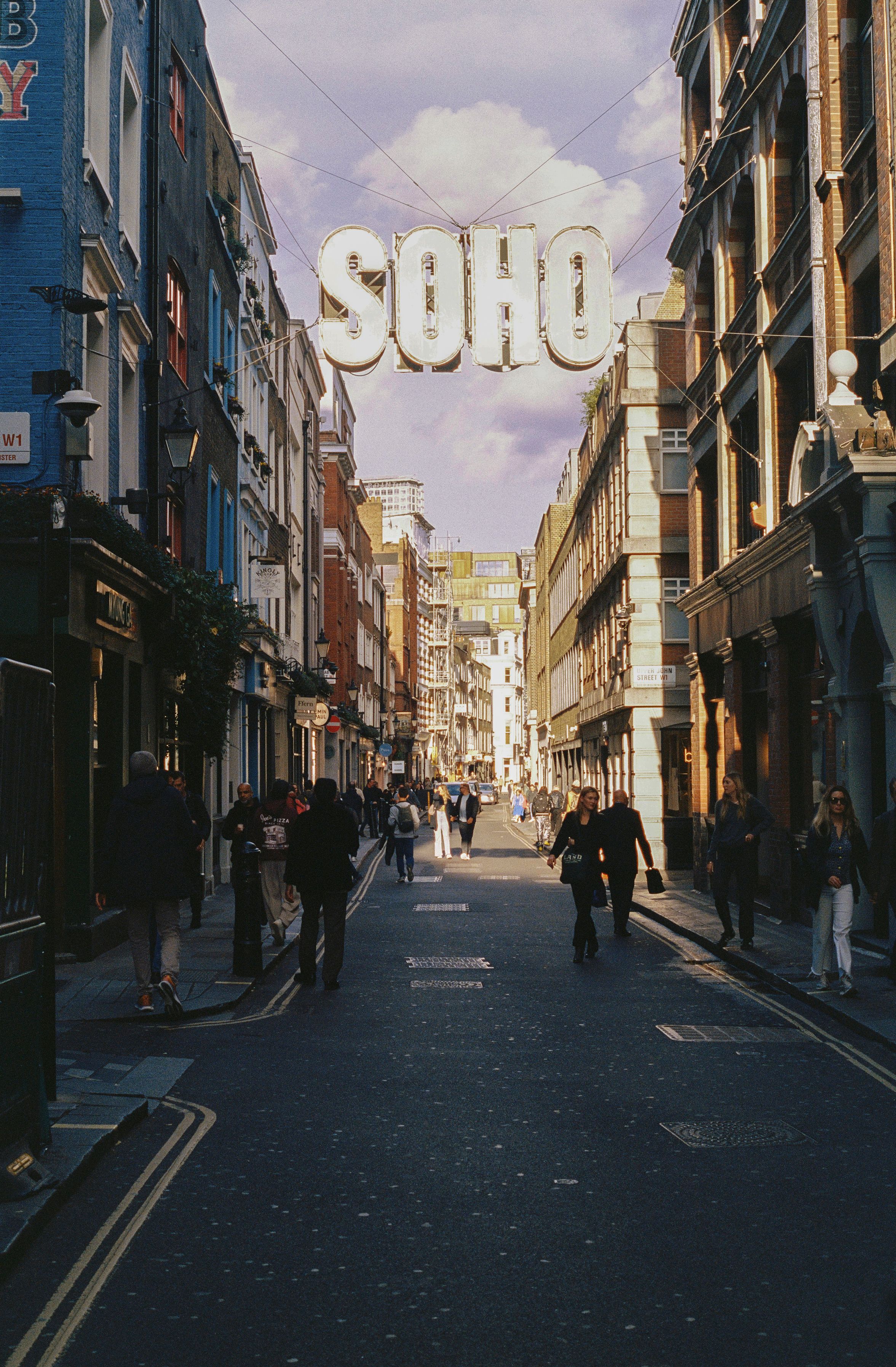 Soho
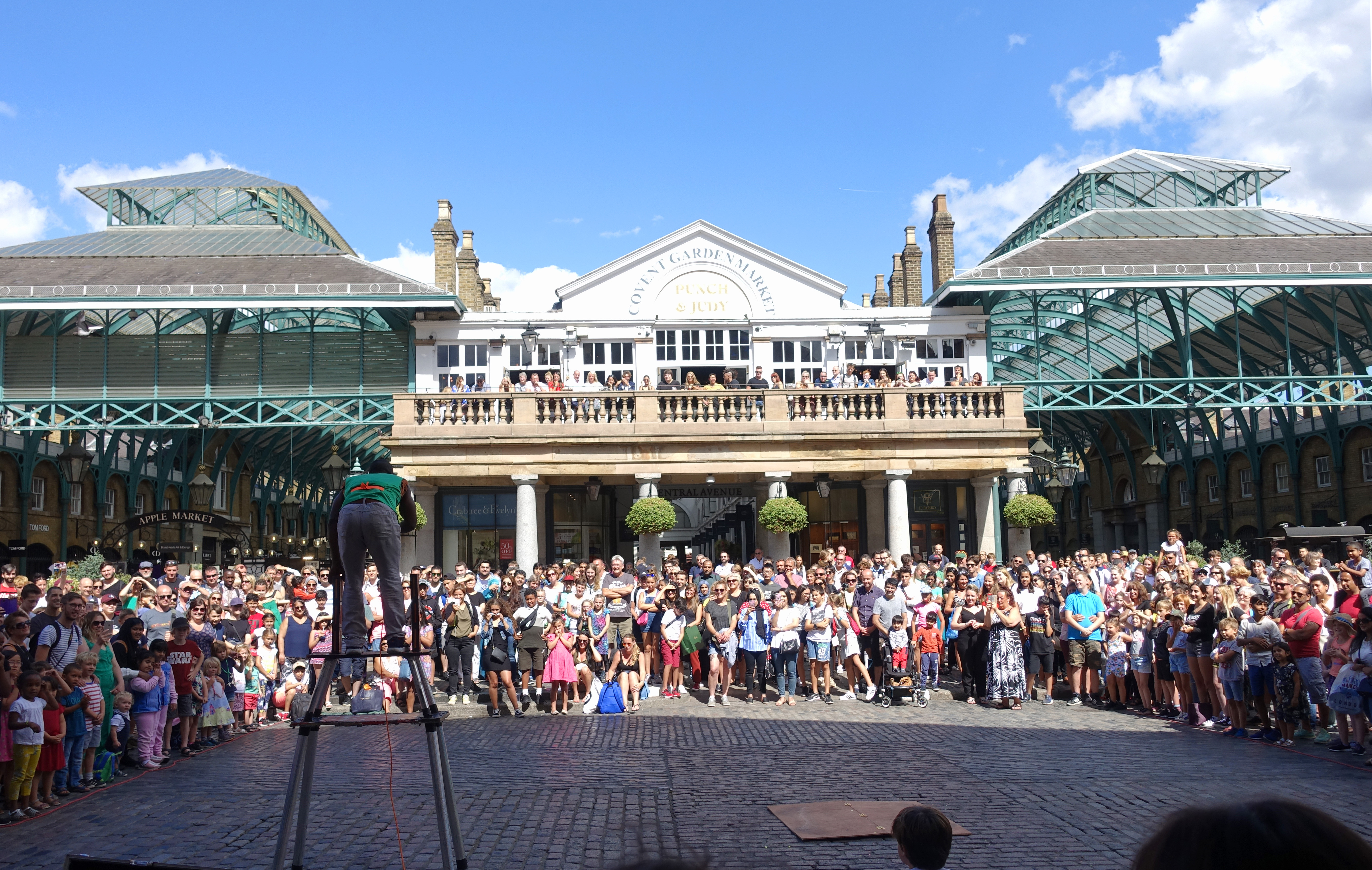 Covent Garden
At a glance
The differences that actually matter
| What changes | Soho | Covent Garden |
|---|---|---|
| Best fit | Spontaneous evenings, bars, restaurants and a neighbourhood that stays part of the action. | Theatre, classic West End atmosphere and a highly legible first-time visitor base. |
| Evening feel | More nightlife-led, with pubs, bars, late food and activity spilling into the streets. | More theatre-and-dining-led, with crowds moving through public spaces before and after performances. |
| Crowds | Dense and often congested from daytime into late evening. | Also extremely busy, especially around the Piazza, Seven Dials and theatre times. |
| Sleep trade-off | Higher risk of late-night and early-morning disturbance; micro-location matters a lot. | Less nightlife-led doesn’t mean quiet; evening footfall can remain very high. |
| Walking | Very easy for the West End; many trips that look like Tube journeys become short walks. | Particularly good for walking across the West End and towards the South Bank. |
| Longer-stay trade-off | The constant intensity can become tiring if you want somewhere to decompress. | The visitor-facing atmosphere can begin to feel curated rather than lived-in. |
Why these two are easy to confuse
Soho and Covent Garden sit close enough together that both can look like the same answer on a hotel map: central, walkable, full of restaurants and right beside the West End. If your shortlist is based mostly on location, it’s easy to treat them as interchangeable.
They aren’t. The useful difference is what happens around you once the sightseeing plan loosens. Soho is an entertainment district where many of the best moments happen behind doors, down side streets or because you changed your mind halfway through the evening. Covent Garden is much more public: theatres, the Piazza, Seven Dials, shopping and outdoor activity put the London experience visibly in front of you.
What an ordinary day feels like
In Soho, the streets themselves encourage detours. A coffee can turn into a wander through Carnaby, a planned dinner can become another drink nearby, and the neighbourhood tends to reward visitors who enjoy making decisions as they go. It’s compact enough that walking becomes part of the entertainment rather than simply a way of reaching somewhere else.
In Covent Garden, the day feels more immediately legible. You step outside into a district built around public activity: cafés opening, shoppers, theatre audiences, street performers and visitors moving between recognisable central-London places. There’s less sense that you need to discover the neighbourhood before it starts working for you.
Evenings are the real dividing line
This is where the comparison becomes most useful. Soho’s evening identity is tied directly to eating, drinking, socialising and wandering. Pubs spill into the street, bars and restaurants keep people moving between venues, and the area can remain active long after a sightseeing day would normally feel finished.
Covent Garden also stays busy well into the evening, but for different reasons. Theatre audiences, diners, shoppers and people leaving performances create heavy footfall across the neighbourhood. The atmosphere is lively, sometimes extremely so, but it’s less defined by concentrated nightlife than Soho.
That distinction matters more than simply asking which is quieter. If you actively want to extend the night without leaving your neighbourhood, Soho has the stronger case. If theatre and dinner are more likely to be the centre of the evening, Covent Garden usually feels more naturally aligned.
Don’t choose Covent Garden because you think it’ll be quiet
One of the easiest mistakes in this comparison is to read Covent Garden’s polished, theatre-led character as a promise of calm. It’s often just as busy as Soho, particularly around the Piazza, Seven Dials and performance times. The difference is the type of crowd, not the absence of one.
Soho carries the clearer sleep risk because nightlife can run late and early-morning servicing, refuse collection and street cleaning can add a second source of disturbance. Covent Garden trades some of that late-night edge for sustained visitor and theatre traffic. In both neighbourhoods, the exact hotel street matters more than the district name alone.
Covent Garden isn’t the quiet alternative to Soho; it’s busy in a different way.
Walking is strong in both — so it shouldn’t decide the choice
Both neighbourhoods are strong enough for walking that many short Tube journeys become unnecessary. From Soho, Mayfair, Oxford Street, Covent Garden and much of the West End are natural on foot. From Covent Garden, Soho, Trafalgar Square, Westminster and the South Bank fit particularly well into the walking pattern.
Unless your itinerary has a very specific geographic pull, transport is unlikely to separate these two. The better question is which atmosphere you want to return to between plans and at the end of the night.
The trade-offs become clearer after a few days
Soho’s strength can also become its weakness. The same constant activity that makes a short break feel exciting can become mentally tiring if you want your accommodation area to provide some breathing room after a full day elsewhere in London.
Covent Garden’s equivalent trade-off is different. It’s exceptionally easy for visitors to understand and enjoy, but on a longer stay the concentration of tourism-facing businesses and public attractions can make it feel more curated than lived-in. If ordinary neighbourhood life is part of what you want from London, neither may be the strongest answer.
When neither is quite right
If you like their central location but want calmer evenings and more everyday neighbourhood life, Marylebone & Fitzrovia is the obvious next comparison. If culture, garden squares and a quieter central rhythm matter more than nightlife or theatre atmosphere, Bloomsbury is worth considering instead.
The point isn’t to force every central-London visitor into a Soho-or-Covent-Garden choice. These are both high-activity West End bases. If the thing making you hesitate is the intensity itself, the better answer may be to step outside the comparison.
The short version
Choose the version of the West End you actually want to live with
Choose Soho if…
- You want bars, restaurants and spontaneous late evenings to shape the trip.
- You enjoy discovering places down side streets rather than having the experience laid out in front of you.
- Crowds and noise feel like part of the atmosphere rather than something you need to escape.
- You expect to spend little time retreating around the hotel during the day or evening.
Choose Covent Garden if…
- Theatre and classic West End atmosphere matter more than concentrated nightlife.
- You want central London to feel immediately understandable from the moment you leave the hotel.
- You like busy public spaces and visible street activity.
- Walking towards Trafalgar Square, Westminster and the South Bank fits the shape of your trip.
Explore the areas
Neighbourhoods mentioned in this guide
Still see yourself in both?
That usually means the decision depends on the rest of your trip. The neighbourhood matcher can weigh evening habits, pace, walking, sleep and the kind of atmosphere you actually want to come back to.
Find my neighbourhood