London neighbourhood guide
Bloomsbury
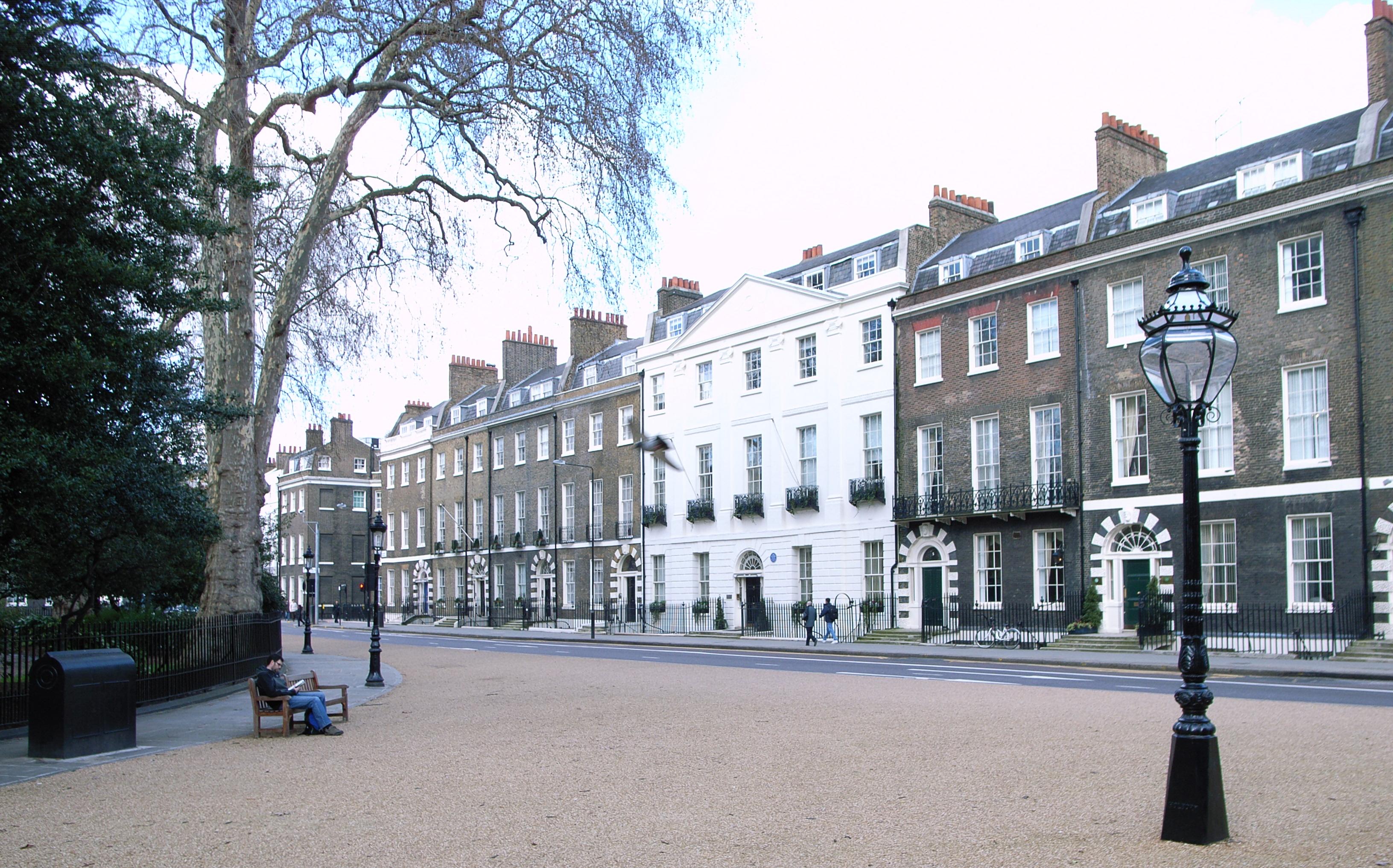
Bloomsbury is a lovely place to stay if you enjoy museums, garden squares and quieter streets. You can still walk to much of central London without coming home to Soho-level bustle.

Best for
- Visitors who want museums, architecture and cultural institutions close to everyday neighbourhood life.
- Travellers who value quieter central streets without giving up walkability.
- Longer stays where routine, practical amenities and repeat walking matter.
- Visitors who prefer curiosity, observation and reflection to nightlife or spectacle.
What you might find frustrating
- Wanting the neighbourhood itself to provide lively evenings and spontaneous entertainment.
- Expecting picturesque Georgian streets to define every part of the area.
- Wanting iconic London immediately outside the accommodation.
- Choosing Bloomsbury mainly to avoid crowds without actually valuing its cultural and civic character.
Orientation
Where it sits in your London day
Bloomsbury is a central cultural and civic base where museums, universities, garden squares and useful everyday streets make slower exploration feel natural while the West End remains close on foot.
- Transport
- Strong for a central walking itinerary, with useful wider connections; some eastern streets involve longer station walks than the neighbourhood’s central position might suggest.
- Walking
- Excellent for linking museums, garden squares, cafés and nearby central districts, with much of the neighbourhood’s character revealed on ordinary walks.
- Sleep
- Generally calmer than the West End’s busiest districts, but major-road edges and busier western or southern streets can feel materially different from the quieter interior.
Who it suits best
Bloomsbury is strongest for visitors who want central London to feel thoughtful, walkable and culturally rich rather than continually performative. Museums, universities, libraries, garden squares and historic streets shape the experience more than nightlife or entertainment, so the neighbourhood suits people who enjoy observation, architecture and slower exploration as part of the stay.
It works especially well for museum-focused trips, longer visits and travellers who want to remain central without returning each evening to one of London’s busiest visitor districts. Bloomsbury can also suit a first trip if culture and calm matter more to you than spectacle. Its strength isn’t simply that it’s quieter; it’s that the quiet comes with a distinctive civic and intellectual character.
Why you might prefer somewhere else
Bloomsbury is a weaker fit if you want the neighbourhood itself to provide a continual sense of occasion. It doesn’t offer Covent Garden’s public theatre, Soho’s spontaneity or Westminster’s landmark-heavy grandeur, and many streets become noticeably calmer after the working and museum day ends.
The predictable regret is choosing Bloomsbury because you wanted to avoid crowds, then realising that what you actually wanted was energy without chaos. Relative calm alone isn’t a reason to stay here: the area works best when museums, historic streets, garden squares and London’s academic and civic life genuinely appeal to you.
Day-to-day rhythm
Mornings begin with a mixture of residents, students, commuters and museum visitors. By afternoon, the area feels active without becoming relentlessly busy: cafés fill, institutions are in use and pedestrian movement gathers around the British Museum, universities and main routes. The pace encourages stopping rather than simply covering ground.
That rhythm isn’t uniform. The southern part of Bloomsbury carries more museum visitors and a stronger connection to Covent Garden; the central squares feel calmer and more residential; the north becomes more institutional and functional around universities, hospitals and Euston Road. To the east, smaller streets around places such as Lamb’s Conduit Street bring more independent food and local atmosphere.
Evenings change the emphasis again. Restaurants and pubs remain useful, but many institutional streets quieten considerably. The result is a neighbourhood that feels most animated by daytime cultural and civic life rather than by late-night entertainment.
Getting around
Bloomsbury makes a large part of central London comfortably walkable. Covent Garden, Soho, King’s Cross, Fitzrovia, Holborn and Oxford Street can all fall naturally into a day on foot, which helps the area function as a central base without placing you inside the West End’s busiest streets.
There’s still useful micro-location variation. The western side generally benefits from easier station access, while parts of the eastern side can involve longer-than-expected walks to the Tube. That matters most if your itinerary repeatedly depends on fast cross-London journeys; for a culture-heavy trip built around walking, it’s often a smaller trade-off.
Walking and everyday convenience
Bloomsbury’s walkability is less about compressing famous sights into one entertainment district and more about linking useful, interesting spaces: garden squares, museums, bookshops, cafés, universities and everyday services. Ordinary walks tend to feel connected to the neighbourhood’s identity rather than merely functional.
The area also has stronger day-to-day practicality than its historic image suggests. Longer stays benefit from supermarkets, pharmacies, casual food and other routine needs, including the concentration of everyday amenities around the Brunswick Centre. That convenience isn’t glamorous, but it can make the neighbourhood notably easy to live from for several days.
Noise and sleep
Much of Bloomsbury settles into a relatively calm evening, particularly away from the busier western and southern edges. That doesn’t mean every street is quiet. Properties close to Euston Road can experience substantially more traffic and a more functional streetscape, while areas around Holborn and Tottenham Court Road can retain more movement later into the evening.
The useful distinction is between a neighbourhood whose overall identity is calm and a hotel whose immediate surroundings may not be. If sleep matters strongly, the exact street remains more important than the Bloomsbury label alone.
Food, pubs and evenings
Bloomsbury isn’t a destination dining district in the same way as parts of Soho or Fitzrovia, but its quieter reputation can undersell what is available. Streets such as Lamb’s Conduit Street and Marchmont Street bring independent cafés, bakeries, pubs, wine bars and neighbourhood restaurants into an area otherwise shaped by institutions and squares.
Evenings therefore work best when you want food and conversation rather than nightlife. The neighbourhood supports an unhurried dinner, a pub or a drink close to the hotel, but it rarely tries to keep the night going for you. Visitors who want the evening itself to become a major part of the trip may find another central base more satisfying.
Tourist intensity
Bloomsbury is visitor-heavy in particular places rather than uniformly tourist-oriented. The British Museum can generate substantial daytime congestion, while nearby streets, garden squares and institutional areas may feel much calmer only a short walk away.
That contrast is important. Bloomsbury remains a functioning academic, residential and civic neighbourhood used by students, workers, residents and visitors together. Staying here gives you access to major cultural attractions without making visitor activity the dominant character of every street.
Longer-stay suitability
Bloomsbury often becomes more useful as a stay gets longer because much of its value comes from routine rather than novelty. Garden squares become places to pause, cafés and local shops become familiar, and the combination of culture, central walking and everyday amenities continues to work after the first round of sightseeing.
There’s one unusual variable: the academic calendar. University term brings more students, busier cafés and stronger daytime activity; holiday periods can make some institutional streets and businesses noticeably quieter. That doesn’t change the core recommendation, but it means the neighbourhood’s energy can shift more across the year than a visitor might expect.
For a longer visit, the main trade-off remains clear. You gain a central base that supports culture, reflection and everyday use, but you give up the constant entertainment density and instant spectacle of the West End’s livelier neighbourhoods.
Better alternatives
Marylebone & Fitzrovia is stronger when restaurants, lifestyle and polished everyday central London matter more than institutional culture. Covent Garden works better when theatre, recognisable public spaces and immediate visitor confidence dominate. King’s Cross & St Pancras becomes more compelling when transport convenience and contemporary urban energy matter more than historic cultural atmosphere. Westminster & St James’s is the stronger choice when ceremonial London, national landmarks and historic grandeur are the main point of the stay.