London neighbourhood guide
Marylebone & Fitzrovia
Marylebone and Fitzrovia give you a central London stay with good cafés, restaurants and streets that feel lived-in. It’s a comfortable choice if you’d rather avoid the busiest parts of the West End.
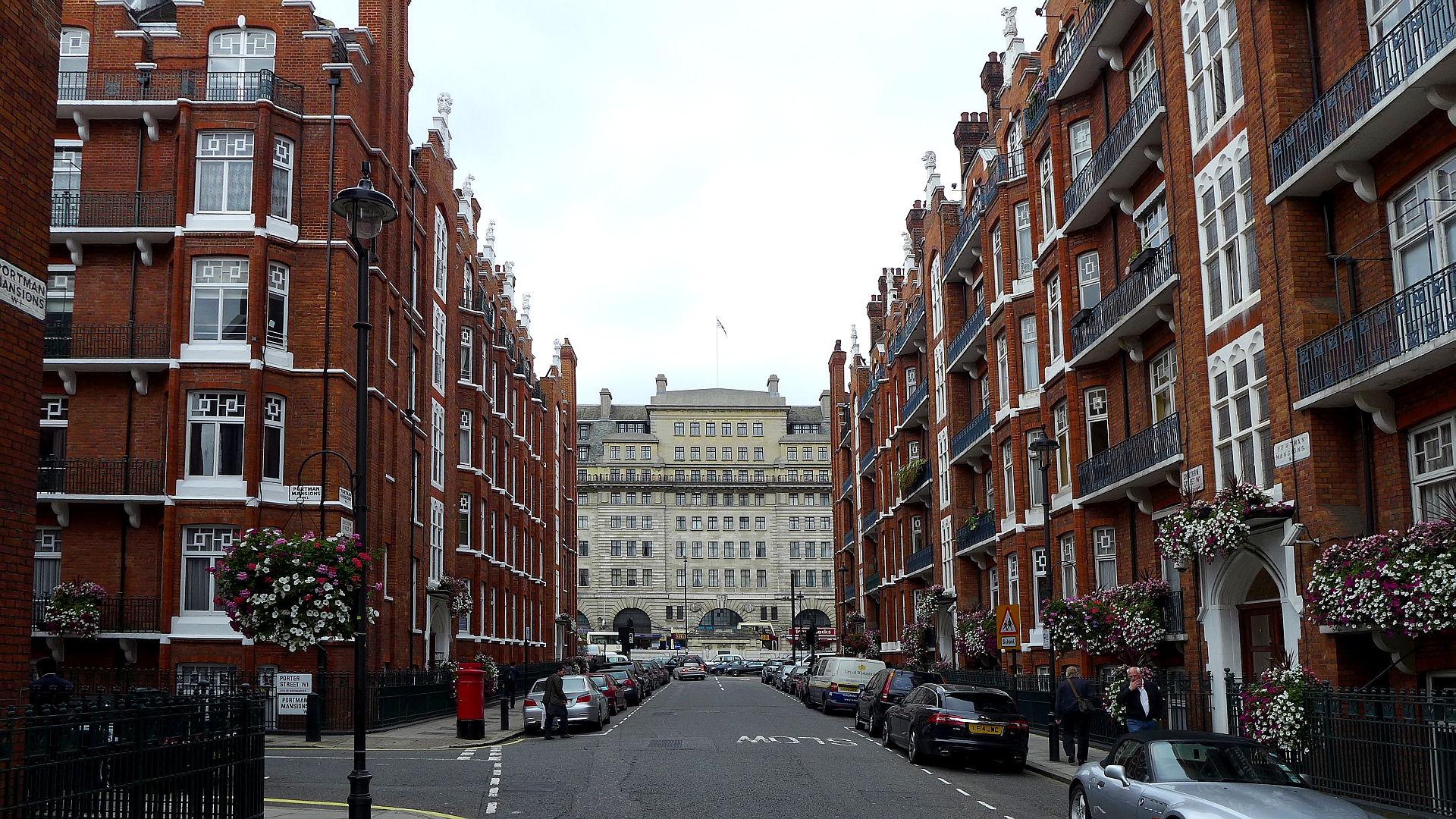

Best for
- Visitors who want a central base that feels lived-in rather than visitor-dominated.
- Longer stays where restaurants, cafés and everyday neighbourhood quality matter.
- Travellers who enjoy walking and gradual discovery more than constant spectacle.
- Couples and repeat visitors who value balance, comfort and atmosphere.
What you might find frustrating
- Wanting iconic London to feel immediate every time you step outside.
- Expecting nightlife or continual evening intensity around the hotel.
- Finding pleasant walking less valuable on a very short, landmark-heavy trip.
- Wanting one dominant neighbourhood identity rather than a balanced combined zone.
Orientation
Where it sits in your London day
Marylebone & Fitzrovia forms a broad central zone between the West End, Regent’s Park and Bloomsbury, combining Marylebone’s calmer village-like streets with Fitzrovia’s denser restaurant and office rhythm.
- Transport
- Strong wider-city access, but some of the most attractive central streets sit between major stations, so excellent network connections can still involve a longer walk than expected.
- Walking
- Excellent for visitors who enjoy walking through attractive, useful streets; the area connects naturally towards Soho, Bloomsbury, Regent’s Park, Mayfair and Baker Street.
- Sleep
- Often calmer than Soho or Covent Garden, but conditions vary: Marylebone generally settles more, Fitzrovia carries more restaurant and office activity, and major road edges feel different again.
Who it suits best
Marylebone & Fitzrovia is one of the strongest central-London bases for visitors who want the city to feel comfortable, attractive and lived-in rather than continually performative. It suits people who enjoy restaurants, cafés, independent shops and pleasant streets as part of the stay, and who are happy for walking to do much of the work between plans.
The area is especially persuasive for repeat visitors, couples and longer stays, but it can also work very well on a first trip if you would rather return each evening to everyday central London than remain inside the busiest visitor districts. Its strength is balance: there’s enough activity to make staying local worthwhile without requiring the neighbourhood itself to entertain you every minute.
Why you might prefer somewhere else
Marylebone & Fitzrovia can disappoint if your ideal London base needs to deliver an immediate sense of spectacle. The neighbourhood doesn’t announce itself in the way Covent Garden does, and it rarely sustains Soho’s intensity late into the evening. A very short, landmark-heavy trip can therefore make some of its greatest strengths — attractive walking, gradual discovery and neighbourhood routine — feel less important than simply being closer to the sights you most want to see.
Choose elsewhere if nightlife, iconic public spaces or maximum stimulation are central to the trip. The predictable regret here isn’t that the area lacks quality; it’s that you paid attention to balance when what you really wanted was drama.
Day-to-day rhythm
The day usually starts quietly enough to feel residential, then becomes steadily busier as cafés, shops and offices fill. That rhythm changes as you move across the zone: Marylebone feels calmer, more village-like and more residential; Fitzrovia feels denser, more urban and more influenced by offices, restaurants and creative businesses. The two halves share the same basic advantage — central London without constant spectacle — but they deliver it differently.
Afternoons reward wandering rather than itinerary-chasing. You may find yourself moving between a café, a shop, a museum or another neighbourhood without ever feeling that one attraction defines the day. In the evening, restaurants become more prominent, particularly in Fitzrovia, while much of Marylebone settles into a quieter rhythm.
The appeal here is cumulative rather than theatrical: the area tends to become more useful the more often you walk the same streets and begin forming small routines of your own.
Getting around
Marylebone & Fitzrovia has excellent access to the wider transport network, but there’s an important practical wrinkle: excellent transport doesn’t always mean a station is immediately outside the hotel. Some of the most pleasant central streets sit between major transport hubs, so visitors can find themselves walking farther to a Tube station than the phrase “well connected” suggests.
For people who already enjoy walking, that’s often barely a disadvantage. Soho, Bloomsbury, Regent’s Park, Mayfair, Baker Street and other central areas naturally fall into walking range from different parts of the zone. The trade-off becomes more noticeable if your itinerary repeatedly requires fast cross-London journeys or if you expect every departure to begin with a short station walk.
Walking and everyday convenience
Walking is one of the neighbourhood’s defining pleasures because the streets themselves remain useful between major plans. Cafés, restaurants, pubs, specialist shops and residential streets give ordinary journeys a reason to slow down rather than simply get from A to B. This is a different kind of walkability from Covent Garden: less about compressing famous sights into a small radius, more about making the base itself pleasant to move through repeatedly.
That distinction matters on short trips. If you have only a couple of days and a long checklist of landmarks, the pleasant extra walking may sometimes feel like time spent between the experiences you came for. On a more relaxed itinerary, the same walking becomes part of the experience rather than a cost of it.
Noise and sleep
There’s no single sleep character across a zone this broad. Marylebone generally provides the calmer end of the experience, especially away from major roads, while Fitzrovia carries more restaurant, bar and weekday office activity. Properties near the large northern traffic corridors can also feel materially different from quieter interior streets.
The practical lesson is to avoid treating “Marylebone & Fitzrovia” as a guarantee of either silence or bustle. Visitors who care strongly about sleep should inspect the hotel’s immediate street and orientation, while those comfortable with ordinary central-London activity have a wide range of micro-locations that can work well.
Food, pubs and evenings
Food and conversation matter more here than spectacle or nightlife. Marylebone offers an evening that often feels polished and comparatively calm: dinner, a pub or a drink, then streets that settle rather than intensify. Fitzrovia is more energetic, with a denser restaurant and bar scene and a stronger after-work presence during the week.
That gives the combined zone useful range. You can stay somewhere that feels restrained after dinner without giving up access to a lively restaurant district, or choose the Fitzrovia side if you want more visible evening activity while still avoiding a nightlife-first environment. The area works best for visitors who want evenings to feel sociable rather than event-driven.
Tourist intensity
This is one of central London’s clearest examples of a neighbourhood that still feels used by residents, workers and regular local customers as well as visitors. Tourism is present, but it doesn’t dominate the public realm in the way it does around Covent Garden or the busiest parts of Westminster.
That lived-in quality is central to the recommendation. Marylebone & Fitzrovia suits visitors who want to feel close to the centre without spending every return to the hotel inside an environment organised primarily around sightseeing. If you actively want London to look and feel unmistakably visitor-facing the moment you step outside, another central neighbourhood may satisfy you more quickly.
Longer-stay suitability
Marylebone & Fitzrovia often becomes more attractive, not less, as a stay gets longer. Its value doesn’t depend on novelty. A favourite café, a reliable dinner street, a pleasant route back from the West End or a quiet morning walk can become more useful after several repetitions rather than wearing thin.
The internal variation also helps. Marylebone offers a calmer, more residential routine; Fitzrovia supplies greater restaurant density and weekday energy. Together they create a central base that can absorb several different kinds of day without requiring you to leave the neighbourhood every time you want food, atmosphere or a change of pace.
For a longer visit, that everyday usefulness is one of its strongest advantages. The trade-off remains the same: you’re choosing balance, routine and gradual appreciation rather than the constant sense of occasion offered by more spectacle-led parts of central London.
Better alternatives
Soho is the stronger alternative when spontaneity, nightlife and intensity matter more than calm and balance. Covent Garden works better when theatre, recognisable public spaces and immediate visitor confidence dominate. Bloomsbury is a better fit when museums, intellectual atmosphere and calmer cultural immersion matter more than restaurants and lifestyle. Kensington & Knightsbridge becomes more compelling when museums, grand architecture and prestige are more important than lived-in centrality and everyday restaurant life.