London neighbourhood guide
Chelsea
Chelsea is great for slower days spent in cafés, galleries and shops along King’s Road. If your trip revolves around the big central sights, expect some longer journeys.
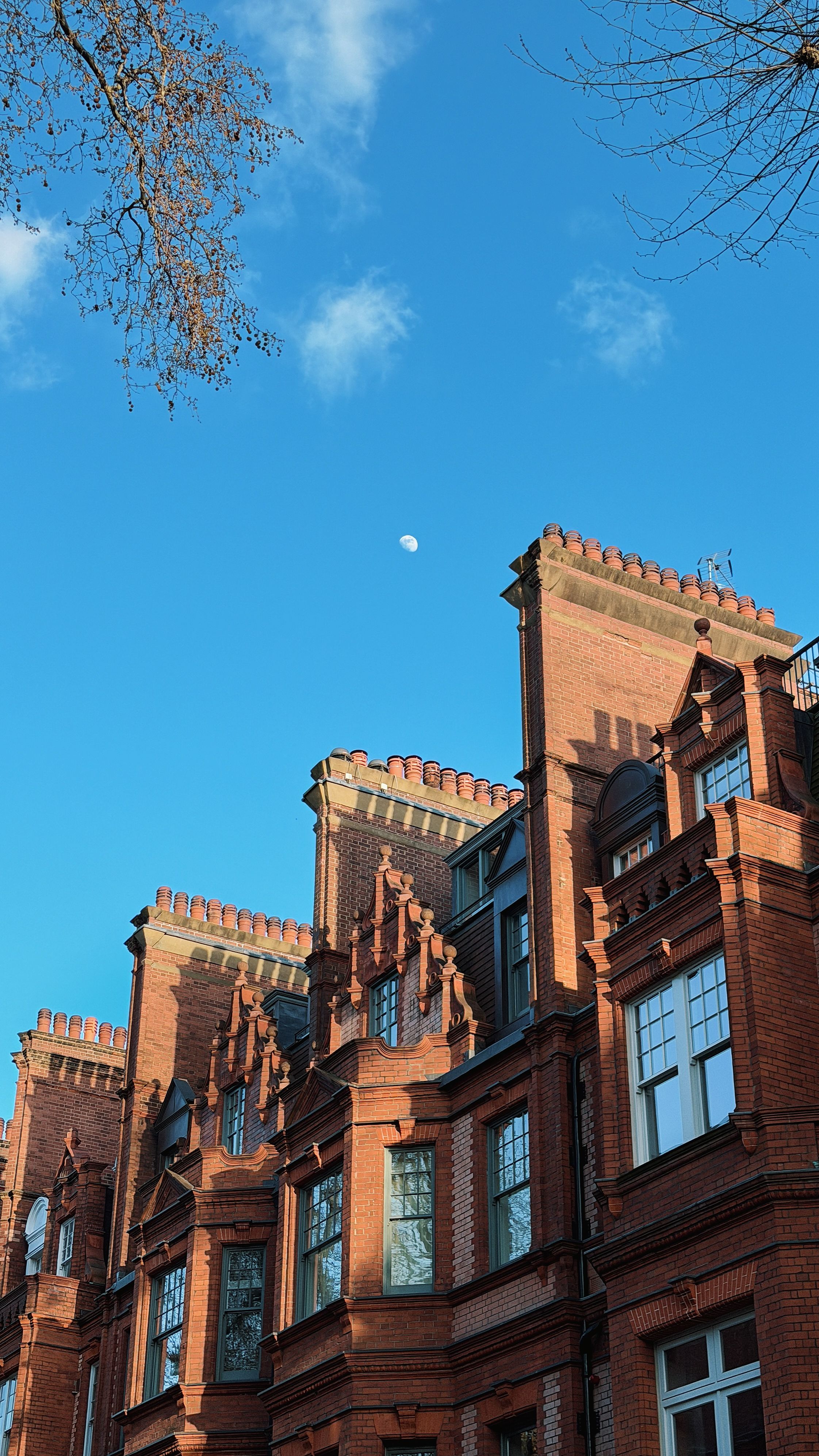
Best for
- Want everyday neighbourhood life to be part of the trip.
- Enjoy cafés, independent restaurants, galleries and boutique shopping.
- Prefer elegant residential streets and calmer evenings to constant spectacle.
- Expect to spend meaningful time close to your accommodation.
What you might find frustrating
- You want landmark-heavy days with minimal travel between sights.
- Nightlife or constant street energy matters to you.
- Your hotel is far west or deep south and creates more walking or bus dependence than expected.
Orientation
Where it sits in your London day
Chelsea stretches west from Sloane Square along King’s Road towards World’s End, with quieter residential streets and the Thames to the south. Its lifestyle appeal is strongest near King’s Road, while transport convenience generally falls as you move farther from Sloane Square.
- Transport
- Sloane Square is Chelsea’s main Underground gateway. Wider London journeys become less convenient as you move farther west or south, where buses, taxis and longer walks matter more.
- Walking
- Excellent for local wandering around King’s Road and residential streets, but Chelsea is long and linear. Walking distance to Sloane Square and King’s Road can materially change the stay.
- Sleep
- Generally calm away from the busiest roads and King’s Road. Residential streets can become notably quiet late in the evening, with exact hotel location shaping the balance between calm and convenience.
Who it suits best
Chelsea works best when you want the neighbourhood itself to become part of the holiday. Its appeal is less about ticking off major sights and more about ordinary pleasures done well: coffee, browsing, galleries, restaurants, attractive residential streets and the feeling of having somewhere pleasant to return to between plans.
That makes Chelsea especially strong for repeat visitors, longer stays and anyone who expects to spend meaningful time close to their accommodation. It can also suit a first visit, but only if atmosphere and everyday quality matter more to you than having London’s main sights clustered around the hotel.
Why you might prefer somewhere else
Chelsea asks you to give up some sightseeing efficiency. Underground coverage is weaker than in many central neighbourhoods, hotel choice is more limited and major attractions often involve buses, longer walks or a deliberate journey east. If your ideal day is built around seeing as much of London as possible with minimal travel, the trade-off can become tiring rather than charming.
It’s also a poor fit if you want nightlife, continual street energy or a neighbourhood that keeps generating obvious attractions. Chelsea is refined and sociable, but rarely dramatic. Its strengths land best when living well locally is part of the point.
Day-to-day rhythm
Mornings are one of Chelsea’s strengths. Local cafés, residents and relatively calm streets give the area a lived-in start, particularly away from the busiest parts of King’s Road. By afternoon, shopping, galleries and restaurants bring steadier activity and King’s Road becomes the main spine of movement.
Chelsea is often at its best in the early evening. Restaurants, wine bars and cafés keep the area active without turning it into an entertainment district. Later at night, many residential streets become noticeably quiet. The rhythm is polished rather than exuberant: there’s enough life to enjoy locally, but little pressure to keep moving.
Getting around
Chelsea’s transport weakness is real. Sloane Square is the main Underground gateway, and the farther you move west or south from it, the more likely buses, taxis and longer walks become part of everyday movement. A Chelsea address therefore doesn’t guarantee the same practical experience throughout the neighbourhood.
The flip side is that Chelsea can support a different kind of trip. If your days alternate between spending time locally and making a few deliberate journeys elsewhere, the transport compromise can feel entirely reasonable. If you expect several cross-London journeys every day, it’s much harder to ignore.
Walking and everyday convenience
Chelsea is highly walkable once you’re where you want to be, but it’s also long and linear. King’s Road acts as the main lifestyle spine, while Sloane Square functions as the practical gateway. Staying near both gives you the easiest version of Chelsea: cafés, shops and restaurants close by, with the strongest transport access in the neighbourhood.
Move south towards the Embankment and the streets become quieter and more residential, but the walk back to shopping and transport grows longer. Move west towards World’s End and the area feels more local and less visitor-facing, but bus dependence increases. The biggest booking mistake is assuming that every hotel described as “Chelsea” delivers the same balance of lifestyle and convenience.
Noise and sleep
Chelsea is generally calmer than London’s high-energy entertainment districts, especially once you leave King’s Road and Sloane Square. Residential streets can become very quiet late in the evening, which is one reason the neighbourhood works well for visitors who value a composed place to return to.
That doesn’t make every address equally restful. Main roads, busy stretches of King’s Road and transport routes carry more movement, while deep residential streets trade activity for calm. Hotel location matters here less because Chelsea is noisy overall and more because small changes in position can alter the balance between convenience and quiet.
Food, pubs and evenings
Food and drink are part of Chelsea’s everyday appeal rather than a separate nightlife proposition. The neighbourhood is strongest for restaurants, wine bars, cafés and polished neighbourhood dining, with King’s Road and the Sloane Square area providing the greatest concentration of choice.
The important distinction is between quality and intensity. Chelsea can make dinner and a drink feel like part of the neighbourhood experience, but it doesn’t offer the density or late-night momentum of Soho. If you want evenings to continue naturally into nightlife, you may spend more time leaving Chelsea than enjoying it.
Tourist intensity
Chelsea has an international reputation, but it doesn’t usually feel dominated by visitors. King’s Road and the Sloane Square end attract shoppers and day visitors, especially at weekends, while many residential streets remain unmistakably lived-in. The result is a neighbourhood where visitors and residents mix more naturally than in London’s major sightseeing districts.
Saturday changes the balance around Duke of York Square, where the food market adds a stronger lifestyle-focused crowd. Even then, the experience is closer to joining a busy local routine than moving through a conventional tourist attraction.
Longer-stay suitability
Chelsea becomes easier to appreciate over several nights because many of its strengths are repeatable rather than spectacular. A favourite café, a familiar walk along King’s Road, a quiet route back through residential streets and the ability to spend an evening locally can become more valuable as the stay continues.
The same is true of the trade-off. Repeated journeys to the West End, the City or major sightseeing areas make weak Underground coverage more noticeable over time. Longer stays therefore suit Chelsea best when you genuinely want some days and evenings to revolve around the neighbourhood itself rather than treating it only as a beautiful place to sleep.
Better alternatives
Kensington & Knightsbridge is the stronger alternative when museums, cultural grandeur and easier access to major west-London sights matter more than neighbourhood lifestyle. Notting Hill suits visitors who want more colour, creativity and a stronger sense of discovery. Mayfair is the better fit when prestige, luxury hotels and highly central convenience dominate. Victoria & Pimlico makes more sense when practicality, transport access and sightseeing efficiency outweigh Chelsea’s lifestyle appeal.