London neighbourhood guide
Kensington & Knightsbridge
Stay in Kensington or Knightsbridge if museums, parks and elegant streets are high on your list. You’ll have space to slow down, but Soho and the theatres won’t be quite as close as the postcode might suggest.
Best for
- Visitors who want museums, parks and grand architecture to shape the stay.
- Travellers who value calm, elegant surroundings over nightlife and spontaneity.
- Families, couples and longer stays where walking, green space and comfort matter.
- Visitors who prefer deliberate cultural days to dense entertainment districts.
What you might find frustrating
- Expecting a Zone 1 base to make Soho, Covent Garden and theatre trips feel immediate.
- Wanting stronger nightlife or spontaneous evening energy.
- Preferring independent local character to polished, institutional grandeur.
- Choosing prestige without actually valuing museums, parks and a slower pace.
Orientation
Where it sits in your London day
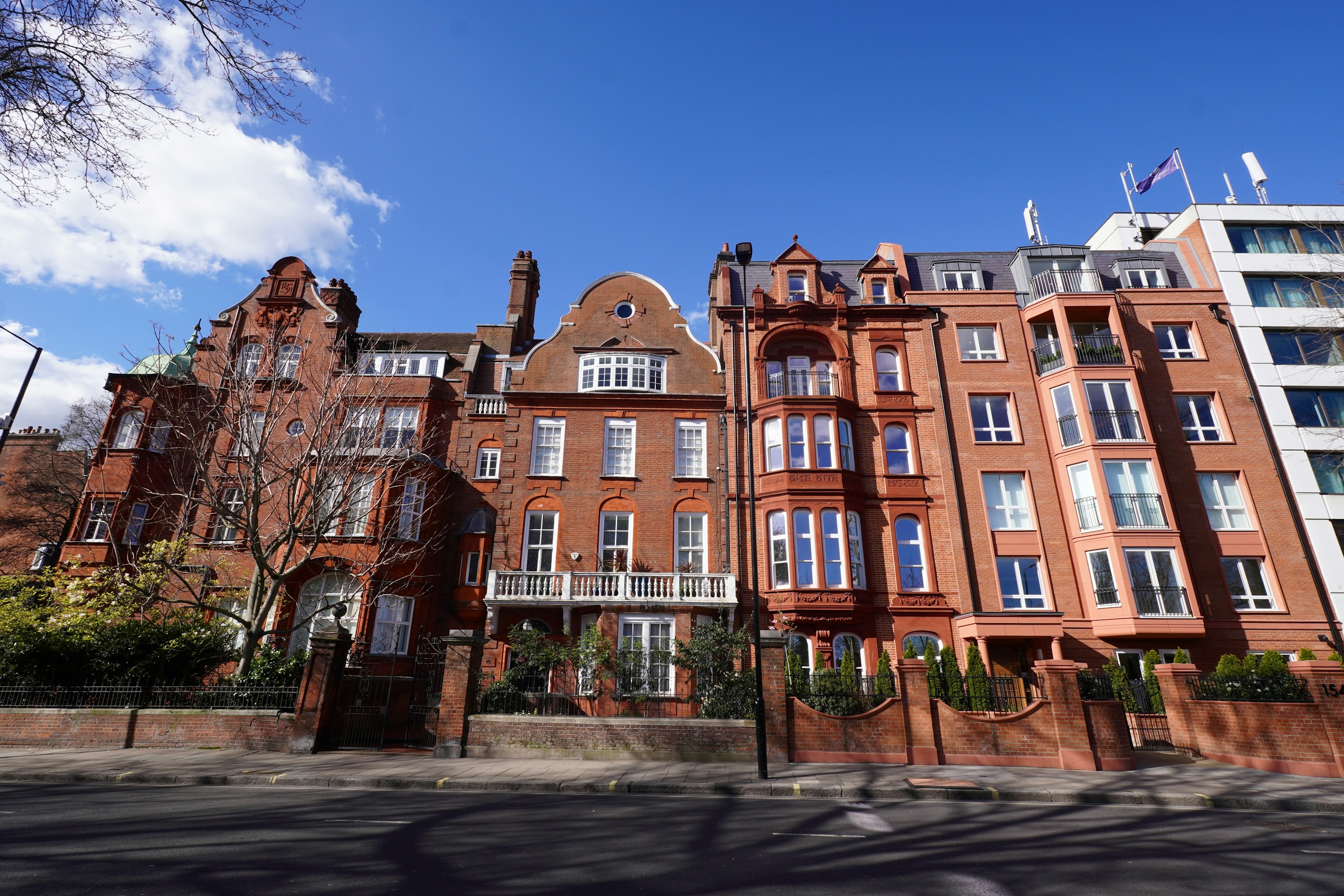
Kensington & Knightsbridge is a spacious, comfort-first central base built around museums, major parks, elegant streets and a more deliberate rhythm than the West End’s entertainment districts.
- Transport
- Strong overall, with a useful direct Piccadilly line arrival from Heathrow in parts of the zone; West End-heavy itineraries still involve more deliberate travel than the central postcode may suggest.
- Walking
- Excellent for museums, parks and attractive residential streets, especially around the Exhibition Road to Kensington Gardens corridor.
- Sleep
- Generally calmer than Soho or Covent Garden, but the experience ranges from busy museum-corridor streets to very quiet residential micro-locations.
Who it suits best
Kensington & Knightsbridge is strongest for visitors who want London to feel spacious, elegant and culturally rich rather than relentlessly busy. Museums, parks, grand streets and handsome residential architecture do much of the work here, making the area especially persuasive for travellers who value comfort, beauty and a measured pace over nightlife or constant surprise.
It works particularly well for museum-focused trips, families, couples and longer stays where the surroundings around the hotel matter almost as much as the attractions themselves. The appeal isn’t simply prestige. Much of what defines the area — the major museums, Hyde Park, Kensington Gardens and long architectural walks — is public and accessible without luxury spending.
The neighbourhood is at its best when you want London to feel impressive without feeling hectic. If a calm walk through attractive streets sounds like part of the holiday rather than dead time between plans, Kensington & Knightsbridge becomes much easier to justify.
Why you might prefer somewhere else
The main reason to stay elsewhere is immediacy. Kensington & Knightsbridge is central, but it’s not embedded in the West End. If your ideal trip revolves around Soho nightlife, Covent Garden theatre, late-evening spontaneity or repeatedly stepping outside into dense entertainment, you may spend more time travelling than the Zone 1 address initially suggests.
It can also feel emotionally distant in places. Some grand residential streets become remarkably quiet after dark, while parts of Knightsbridge are shaped more by international luxury retail than everyday neighbourhood life. Visitors who want small-scale local character, independent energy or a sense of discovering something unexpected may find the area polished but less involving.
The predictable regret is choosing elegance because it looks objectively desirable, then realising that what you actually wanted was energy, spontaneity or a stronger neighbourhood personality.
Day-to-day rhythm
Mornings tend to feel composed. Residential streets can remain peaceful while museum visitors, commuters and shoppers begin moving towards South Kensington, Knightsbridge and the main commercial corridors. By afternoon, the contrast inside the neighbourhood becomes much clearer: Exhibition Road and the museum entrances can be intensely busy while quieter residential streets only minutes away still feel controlled and spacious.
The area encourages deliberate days. A museum can lead into a walk through Kensington Gardens, lunch can sit between cultural plans rather than define the neighbourhood, and wide streets make moving slowly feel natural. This isn’t the kind of place that constantly tempts you to abandon the itinerary for a bar or hidden side street; the rewards are usually more visible, grand and predictable.
Evenings become calmer again. Restaurants remain active, but shopping falls away and many residential streets settle substantially earlier than Soho or Covent Garden. Major events around the Royal Albert Hall can temporarily change that rhythm, but the baseline is composed rather than nightlife-led.
Getting around
The biggest practical misconception is that a central postcode automatically means West End immediacy. Kensington & Knightsbridge sits comfortably inside central London, but many journeys to Soho, Covent Garden, theatre districts or eastern parts of the city still involve a deliberate Tube trip, a longer walk or both.
That trade-off matters less when the trip itself is concentrated around museums, parks, Chelsea, Mayfair or Westminster. In that case, much of the neighbourhood’s geography begins to work in your favour. It matters more when you repeatedly cross London late in the day and expect the hotel area to sit at the centre of those plans.
Arrival can be unusually straightforward for some international visitors. South Kensington and Gloucester Road sit on the Piccadilly line, allowing a direct journey from Heathrow without changing trains. That’s a useful logistical advantage, but it doesn’t erase the wider point: comfort here often comes with less immediate access to the West End’s densest entertainment areas.
Walking and everyday convenience
Walking is one of the neighbourhood’s strongest assets, but the character of the walking matters. Exhibition Road creates an unusually easy museum-to-park spine, and Hyde Park, Kensington Gardens, residential squares and broad streets make long walks feel intentional rather than merely necessary.
The experience also changes materially by micro-location. South Kensington is exceptional for museums and family-focused cultural days; High Street Kensington provides more everyday retail and routine convenience; western Kensington feels quieter and more residential; Knightsbridge puts luxury shopping and major hotels closer to the foreground.
That range makes the combined zone more useful than a single “posh London” label suggests. It also means the best part of the area depends on what you expect to do repeatedly, not simply which address sounds most prestigious.
Noise and sleep
Kensington & Knightsbridge is generally calmer at night than Soho or Covent Garden, but the neighbourhood contains some sharp exceptions. Hotels close to Exhibition Road or South Kensington Station can experience heavy daytime foot traffic, while properties near major roads face a different noise profile from those on quieter residential streets.
The calm itself can also mean different things. In western Kensington it may feel residential and restorative; on some ultra-prime streets it can feel unusually empty, with less everyday street life than visitors expect from central London. That distinction matters if you want quiet but still hope to step outside into a recognisably active neighbourhood.
As elsewhere in central London, the neighbourhood label can’t substitute for checking the immediate street. Here, however, the range runs from museum-corridor congestion to near-silence within a relatively small geographic area.
Food, pubs and evenings
Evenings are refined and comparatively restrained. Restaurants, hotel bars, pubs and cultural venues provide enough choice for a good night close to the accommodation, but the neighbourhood rarely generates the sense that the evening should keep evolving simply because you stepped outside.
Knightsbridge feels more polished and commercial, South Kensington often revolves around dinner after museums or cultural plans, and High Street Kensington provides a more practical local evening rhythm. Residential western streets become quieter still. The result is useful variety, but not nightlife density.
This suits visitors who want dinner, a drink and an attractive walk back rather than a neighbourhood that supplies entertainment until late. If the night itself is a major part of the London experience you’re seeking, Soho, Covent Garden or another livelier base will usually make more sense.
Tourist intensity
Visitor activity is substantial but concentrated. The South Kensington museum district can become one of central London’s busiest pedestrian environments during the day, while Knightsbridge attracts international shoppers and hotel guests. Yet large parts of Kensington remain genuinely residential and can feel surprisingly detached from those flows.
That makes the area different from a uniformly visitor-facing district. You can spend the afternoon among museum crowds, then walk a short distance into streets where the dominant impression is architecture, greenery and residential calm rather than tourism.
For some visitors, that combination is ideal: major attractions without feeling surrounded by them all day. For others, the transitions can make the neighbourhood feel fragmented rather than lively, especially if they expected one continuous atmosphere.
Longer-stay suitability
Kensington & Knightsbridge can improve over a longer stay because its strengths aren’t dependent on novelty. Parks remain useful, walking routes stay attractive, museums reward repeat visits and different parts of the zone provide enough variation between cultural days, practical errands and quieter evenings.
The internal range becomes more valuable with time. A longer stay near High Street Kensington or western Kensington can feel substantially more everyday and liveable than a short luxury-focused stay in Knightsbridge, while South Kensington remains especially practical for families and repeated museum visits.
The trade-off also becomes clearer. You gain space and calm, but the West End is less likely to be right outside your door. If you repeatedly want late West End activity, spontaneous restaurant hopping or short walks to theatre, the extra journeys become more noticeable over a week than over a weekend. If parks, museums, space and calm are what you want to return to, the same distance can feel like a feature rather than a penalty.
Better alternatives
Marylebone & Fitzrovia is stronger when you want attractive central streets and excellent restaurants but prefer a more everyday, walkable neighbourhood life to museum-and-park grandeur. Notting Hill works better when charm, colour and a stronger small-scale neighbourhood identity matter more than institutional culture and polish. Chelsea becomes more compelling when lifestyle, village-like streets and riverside character matter more than museums and major green space. Westminster & St James’s is the stronger choice when ceremonial London, national landmarks and immediate historic symbolism are more important than residential elegance and cultural depth.