London neighbourhood guide
Victoria & Pimlico
Victoria is useful if you’ll be travelling around the city a lot. Stay a little farther into Pimlico and you’ll usually find quieter residential streets to come back to.
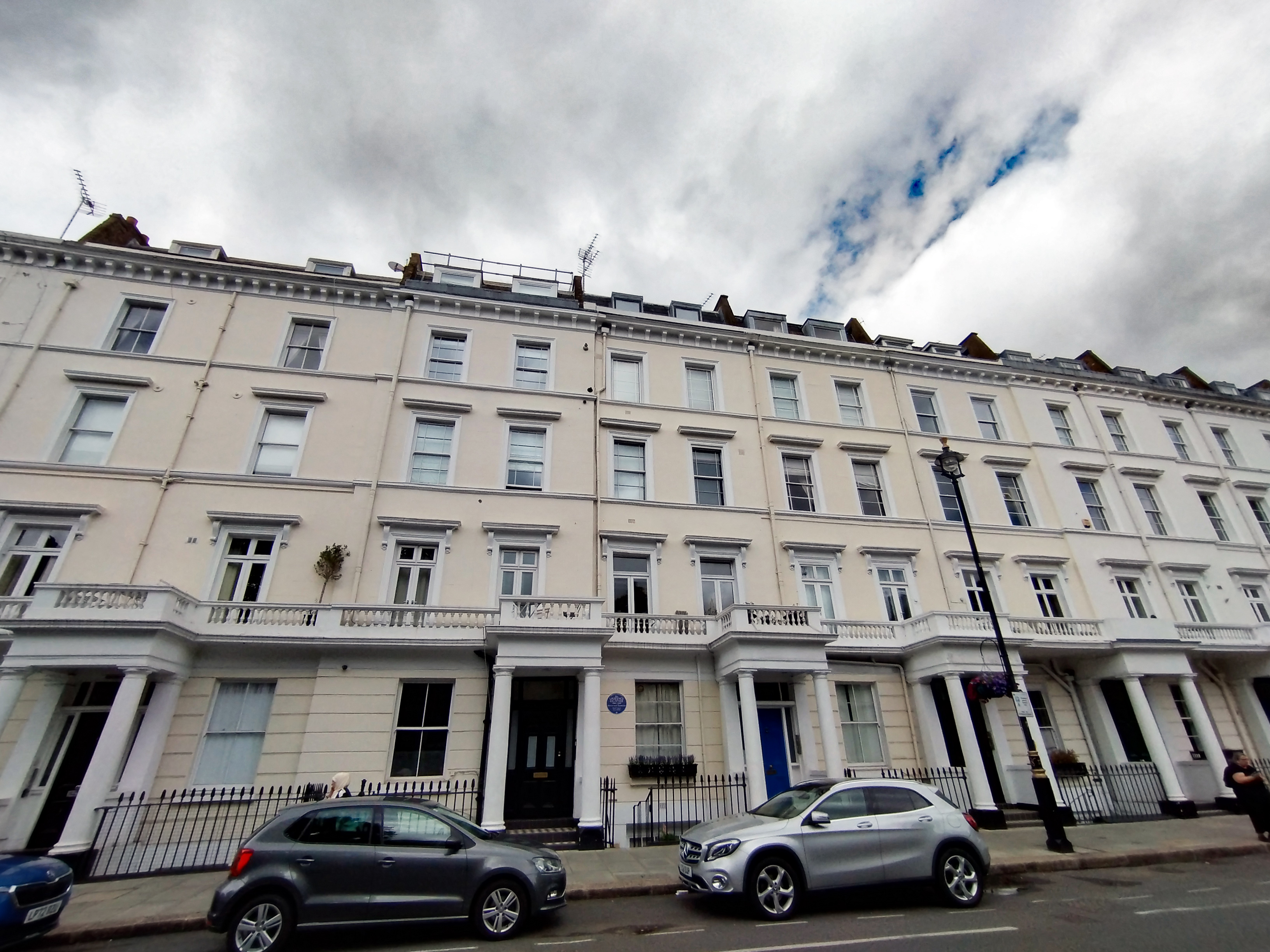

Best for
- Visitors with ambitious sightseeing plans who expect to move across several parts of London.
- Travellers who value easy arrivals, departures and rail or Underground connections.
- People who want practical central access without staying in a high-energy entertainment district.
- Longer stays where Pimlico’s quieter residential rhythm becomes part of the appeal.
What you might find frustrating
- Wanting the neighbourhood itself to be one of the trip’s main attractions.
- Choosing deep Pimlico while expecting Victoria Station to be immediately outside the hotel.
- Booking beside Victoria or the Coach Station while expecting a consistently quiet residential atmosphere.
- Prioritising nightlife, independent discovery or a highly distinctive local identity over practicality.
Orientation
Where it sits in your London day
Victoria & Pimlico is a practical central base with two personalities: fast, transport-led Victoria and quieter residential Pimlico. The exact hotel location determines how much convenience or calm you actually get.
- Transport
- Victoria offers exceptional rail, Underground and airport-oriented connections; the benefit falls as you move deeper into Pimlico, where reaching the station becomes a repeated walk.
- Walking
- Victoria is practical and busy; Pimlico is calmer and more residential. Much of the stay decision comes down to how much immediate station access you are willing to trade for quieter streets.
- Sleep
- Pimlico can be very calm, while Victoria Station, main roads and the Coach Station fringe bring more traffic and late movement. Exact street and room position matter.
Who it suits best
Victoria & Pimlico works best when you want your accommodation to make the rest of London easier. It’s particularly strong for visitors with ambitious sightseeing plans, early departures or late arrivals, and anyone who expects to move across several parts of the city rather than spend most of the trip close to the hotel.
The two halves solve slightly different problems. Victoria suits travellers who want the station, Underground and wider transport network close at hand, along with hotels and reliable places to eat. Pimlico suits visitors who still want central access but would rather return to quieter terraces, garden squares and a more residential rhythm at the end of the day.
Why you might prefer somewhere else
The trade-off is simple: reliability in exchange for romance. Victoria & Pimlico can make a London trip run very smoothly, but it’s less likely than Soho, Notting Hill or Chelsea to give you a strong sense that the neighbourhood itself is one of the trip’s main experiences.
Choose somewhere else if you want nightlife, independent discovery, a powerful visual identity or a dense food-and-café scene immediately around the hotel. The area is at its best when convenience is something you genuinely value, not when it’s merely the safest-looking option on a map.
Day-to-day rhythm
Victoria starts early. Commuters, rail passengers, hotel guests, taxis and luggage create a purposeful atmosphere around the station from the morning onwards, and that movement continues through much of the day. Nova Victoria adds a more polished pedestrian area with restaurants and practical evening options, but the overall character remains efficient rather than atmospheric.
Pimlico follows a different rhythm. Its residential streets are calmer in the morning, remain comparatively settled during the day and become noticeably quieter in the evening. The contrast becomes strongest late at night, when transport activity can still be visible around Victoria while deeper Pimlico feels much more like a residential London neighbourhood.
Getting around
This is one of the clearest strengths in the entire neighbourhood set. Victoria Station combines Underground, National Rail and airport-oriented connections, which can simplify both the first and last hours of a trip as well as everyday movement across London. For visitors arriving through Gatwick or relying heavily on rail, that reduction in arrival and departure friction can be valuable in its own right.
The important qualification is location within the zone. A hotel beside Victoria Station gives you immediate access to that network; a hotel deeper in Pimlico may offer a much calmer stay but turn the station into a repeated walk. “Victoria & Pimlico” therefore tells you less about daily convenience than the exact address does.
Walking and everyday convenience
Victoria is built around movement. The station, hotels, offices, shops and Nova Victoria make it easy to solve practical needs without much planning, and Westminster, Buckingham Palace and parts of the West End are reachable on foot. The streets immediately around the transport core, however, can feel crowded, traffic-heavy and functional.
Pimlico is more pleasant for slow everyday walking. Stucco terraces, garden squares, local cafés and quieter streets create a more residential environment, but the further south or west you stay, the less useful Victoria Station feels as an instant transport asset. That distance isn’t necessarily a problem; it’s simply the price of buying more calm.
Noise and sleep
There’s no single Victoria & Pimlico sleep profile. Hotels close to Victoria Station, main roads or the Coach Station fringe can experience considerably more traffic, people and late transport activity than the neighbourhood’s broadly calm reputation suggests.
Residential Pimlico can be substantially quieter, particularly away from major roads. Hotel details still matter: many properties occupy converted terraces, and lower-ground rooms can trade street-level noise for less natural light and less conventional layouts. This is one of the areas where room position and exact street deserve more attention than the neighbourhood label alone.
Food, pubs and evenings
Victoria is convenient rather than destination-led after dark. Nova Victoria and the streets around the station provide dependable restaurants, pubs and hotel dining, which is useful when you want an easy meal after a long sightseeing day. The advantage is reduced decision-making rather than a compelling reason to cross London specifically for dinner.
Pimlico is quieter and more local in feel, with neighbourhood pubs, cafés and restaurants serving everyday needs without producing much nightlife intensity. If restaurants, bars or late-evening energy are central to the trip, you’re likely to travel elsewhere; if you value a straightforward dinner followed by a calm walk back, the balance can work very well.
Tourist intensity
Victoria sees large numbers of visitors, but it doesn’t usually feel like a sightseeing district. Much of the visible movement comes from commuters, rail passengers, hotel guests and people passing through, so the crowds feel transient and purposeful rather than attraction-led.
That intensity fades surprisingly quickly. A short walk towards Pimlico can replace luggage, taxis and station traffic with residential streets and local routines. The biggest visitor mistake is therefore treating the whole zone as either busy Victoria or quiet Pimlico when both experiences exist within the same recommendation area.
Longer-stay suitability
Victoria & Pimlico can become more attractive on a longer stay because its strengths repeat well. Reliable transport, simple food options, everyday services and easy movement across London continue to save time after the novelty of the first few days has worn off. Pimlico in particular can provide the kind of residential calm that becomes more valuable when you’re staying for a week rather than a weekend.
The opposite is also true: if you want the area around your accommodation to generate discoveries, memorable evenings and a strong sense of place, its functional character may wear thin. Longer stays therefore sharpen the same decision rather than changing it — do you want your base to entertain you, or to make the rest of London easier?
Better alternatives
Westminster & St James’s is the stronger alternative when ceremonial London, national landmarks and historic symbolism matter more than practicality. Paddington & Bayswater makes more sense when transport flexibility and relative value are even more important than residential composure. Bloomsbury suits visitors who want central convenience with more cultural and intellectual atmosphere. Chelsea is the better fit when residential quality, lifestyle and neighbourhood personality matter more than transport efficiency.