London neighbourhood guide
Paddington & Bayswater
Paddington makes getting around London — and arriving from the airport — straightforward. Bayswater has a calmer feel near the parks, but check how far your hotel is from the station.

Best for
- Broad sightseeing plans and frequent cross-London journeys.
- Simple arrivals, departures and airport-oriented travel.
- Visitors who value flexibility more than neighbourhood identity.
- A practical base with Hyde Park close by.
What you might find frustrating
- Wanting the neighbourhood itself to be a trip highlight.
- Booking a noisy station-approach or traffic-heavy street.
- Assuming deep Bayswater has immediate Paddington access.
- Expecting one consistent atmosphere across the whole zone.
Orientation
Where it sits in your London day
Paddington & Bayswater is a connectivity-first stay zone whose strongest advantage is making London easy to arrive in, move around and leave. Paddington is the transport gateway; Bayswater is quieter and more park-oriented; exact micro-location changes the experience sharply.
- Transport
- Exceptional around Paddington Station, with the Elizabeth line, Underground, National Rail and airport-oriented connections; convenience falls as you move deeper into Bayswater.
- Walking
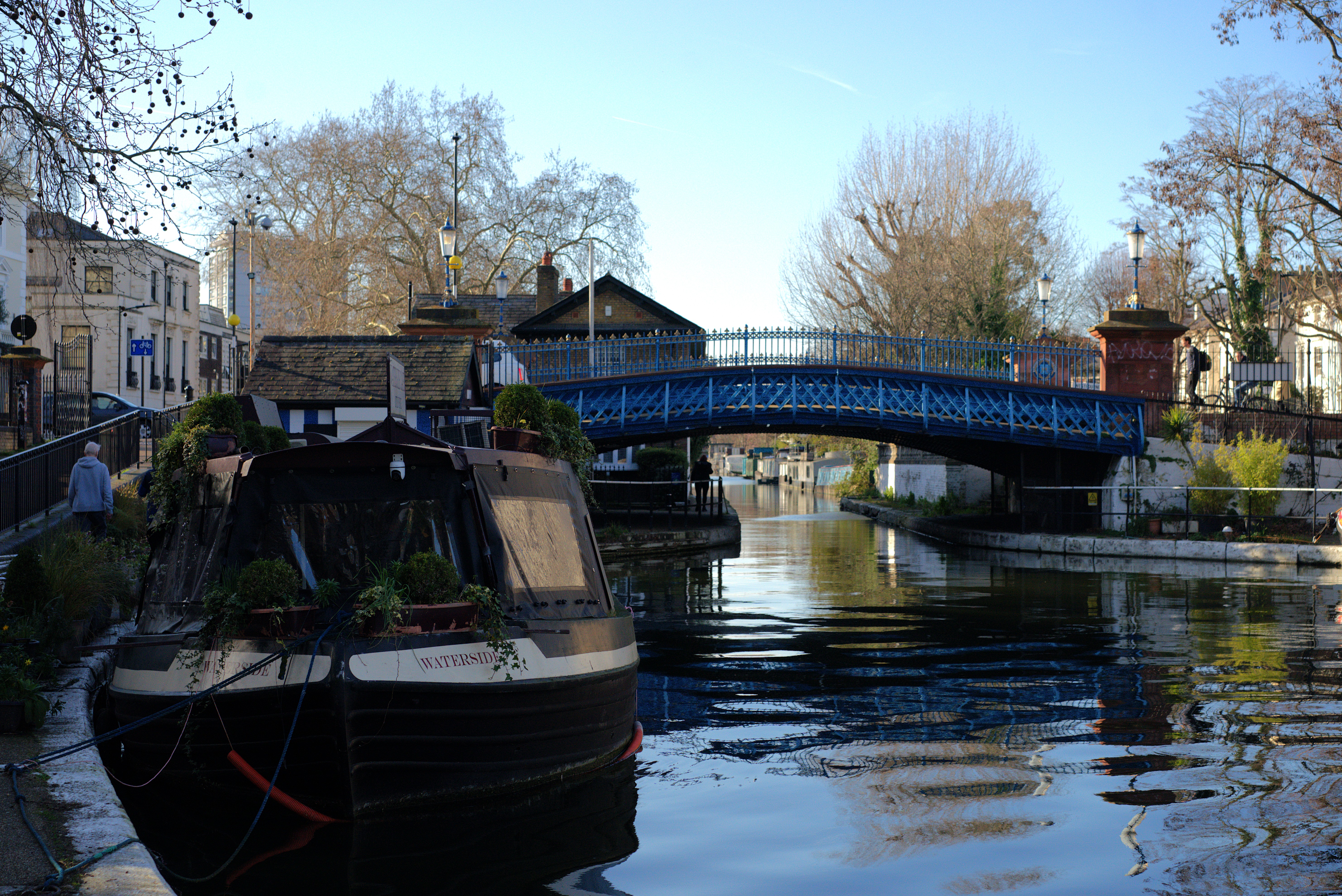
- Highly variable: transport-led around Paddington, modern and canalside around the Basin, and more residential and park-oriented through Bayswater.
- Sleep
- Micro-location matters greatly. Station approaches and major corridors can be noisy, while residential Bayswater is often much calmer.
Who it suits best
Paddington & Bayswater works best when making London easy matters more than making your immediate neighbourhood the star of the trip. It suits visitors with broad sightseeing plans, early departures, late arrivals or several parts of London to cover, because the area can remove a surprising amount of logistical friction from an ordinary day.
It’s also useful when flexibility matters. Paddington gives you one of London’s strongest transport gateways, while Bayswater offers a quieter, more residential base beside Hyde Park. That combination can be especially valuable when you expect to spend relatively little time around the hotel but still want somewhere practical and comfortable to return to.
Why you might prefer somewhere else
The trade-off is connectivity in exchange for coherence. Paddington & Bayswater changes character quickly, and some streets feel more like transport or hotel infrastructure than a neighbourhood you’ll remember fondly. If cafés, independent shops, nightlife or a strong sense of place need to become part of the holiday, a more destination-led area may suit you better.
The main avoidable mistake is assuming every address carrying the Paddington or Bayswater label gives you the same stay. A hotel beside Paddington Station, one on a busy station approach, and one deep in quieter Bayswater can solve completely different problems.
Day-to-day rhythm
Paddington starts early. Arrivals, departures, commuters, luggage and station activity create movement from the morning onwards, while the canal-side developments around Paddington Basin add office and lunchtime activity during the working day.
Bayswater begins more quietly. Hotels and residents create a steadier residential rhythm, and Hyde Park pulls people south during the day. By evening, much of Bayswater settles, while Edgware Road becomes one of the more active parts of the wider zone for late dining. Paddington itself continues to feel transient later because transport never entirely stops.
Getting around
This is one of London’s clearest transport-led bases. Paddington Station combines the Elizabeth line, Underground, National Rail and airport-oriented connections, which can make both arrival and departure unusually straightforward. That’s particularly valuable for early flights, late arrivals, day trips or itineraries spread across several parts of London.
But proximity matters. A hotel that looks “near Paddington” on a map may still involve an awkward walk with luggage, and deep Bayswater doesn’t provide the same immediate station access as the Paddington core. The transport advantage is real, but it’s strongest when the exact hotel location supports the journeys you actually expect to make.
Walking and everyday convenience
The neighbourhood is highly walkable in parts, but it’s not a single continuous experience. Around Paddington Station, movement is dominated by transport infrastructure and hotel traffic. Paddington Basin and Merchant Square feel newer and more corporate, with canalside paths, modern buildings and outdoor dining.
Bayswater is more residential and park-oriented, with Victorian terraces and a slower pace. Hyde Park is the major balancing asset: it provides greenery, orientation and breathing space that materially improves the experience of staying in a zone otherwise shaped heavily by hotels and transport. Queensway and Bayswater Road are more commercial and visitor-facing, while the route towards Notting Hill gradually becomes more neighbourhood-led.
Noise and sleep
Sleep conditions vary sharply by micro-location. Streets close to Paddington Station, Sussex Gardens and Craven Road can experience traffic, coaches, taxis and continuous station-related movement. An elegant terrace doesn’t automatically mean a peaceful night.
Residential Bayswater is generally calmer, particularly away from the busiest corridors. Exact street, room position and distance from the main roads matter more than the neighbourhood label. In converted Victorian hotel stock, it’s also worth checking room size and whether a lower-ground room trades price or quiet for limited natural light.
Food, pubs and evenings
The evening offer is more varied than the area’s practical reputation suggests, but it’s fragmented. Around Paddington and Bayswater you’ll find plenty of dependable restaurants, pubs and hotel-oriented options without the concentrated destination dining of Soho or Marylebone.
Edgware Road is the major exception. Its Middle Eastern restaurants and cafés create a distinctive late-night dining corridor that stays active after many nearby streets have quietened. That gives one edge of the zone a much stronger evening identity than the rest, while residential Bayswater remains comparatively restrained.
Tourist intensity
Visitor activity is high around the station, major hotels and commercial corridors, but that doesn’t translate into one continuous tourist district. Paddington’s crowds are often transient — people arriving, leaving or changing transport — rather than visitors lingering because the neighbourhood itself is the attraction.
Bayswater feels more mixed, with residents, hotel guests and Hyde Park visitors sharing the same streets. Queensway can feel heavily visitor-oriented, while quieter residential roads only a short distance away can feel substantially more local. Few central recommendation zones change character this quickly.
Longer-stay suitability
For longer stays, the area’s flexibility can become more useful rather than less. Easy transport supports repeat journeys across London, Hyde Park gives you a reliable place to walk or decompress, and Bayswater can provide a calmer routine than the Paddington core.
The weakness is emotional rather than operational. If you want your accommodation area to become one of the trip’s highlights, the fragmented identity may become more noticeable over several nights. If you mainly want a dependable platform that keeps many versions of London within easy reach, the same practicality can become one of the stay’s strongest advantages.
Better alternatives
Victoria & Pimlico is stronger when you want excellent connectivity with a more composed residential atmosphere. Marylebone & Fitzrovia suits visitors who still want practicality but place more weight on neighbourhood quality, restaurants and everyday central-London life. Notting Hill is the better choice when charm, atmosphere and residential identity matter more than transport efficiency. Kensington & Knightsbridge makes more sense when museums, elegance and cultural prestige outweigh the need for maximum transport flexibility.